
Storms are an unavoidable part of travel. Whether you encounter heavy rain, high winds, hail, or unexpected temperature drops, being prepared can make the difference between a minor inconvenience and costly damage. RVs are built for mobility and adventure, but they require thoughtful preparation when severe weather is in the forecast.
At Poulsbo RV, we encourage RVers to think ahead. Preparing before a storm arrives protects your investment and, more importantly, keeps you and your passengers safe.
Stay Informed Before Weather Moves In
The first step in weather preparedness is awareness. Monitor reliable weather apps, NOAA alerts, and local advisories when traveling. Conditions can change quickly, especially in mountainous or coastal regions.
If severe weather is predicted, consider adjusting travel plans. Moving to a safer location early is often the best decision. Avoid low-lying areas prone to flooding and open fields where wind exposure is higher.
Never attempt to ride out extreme events such as tornadoes or hurricanes inside an RV. In those situations, seek proper shelter immediately.
Secure the Exterior
When storms are approaching, secure anything that could move or become airborne.
Retract awnings, slide toppers, and outdoor furniture. Disconnect water hoses and secure power cords. Store loose items like grills, mats, and chairs. High winds can turn unsecured objects into damaging projectiles.
If hail is forecasted and time allows, consider relocating under covered parking or moving to a sheltered area. Even small hail can cause cosmetic or structural damage.
Protect Against Heavy Rain
Water intrusion is one of the most common and costly RV issues.
Before travel season and periodically throughout the year, inspect roof seals, window seals, and exterior seams. Address any cracked or peeling sealant promptly. During extended rain, check interior corners and ceilings for early signs of leaks.
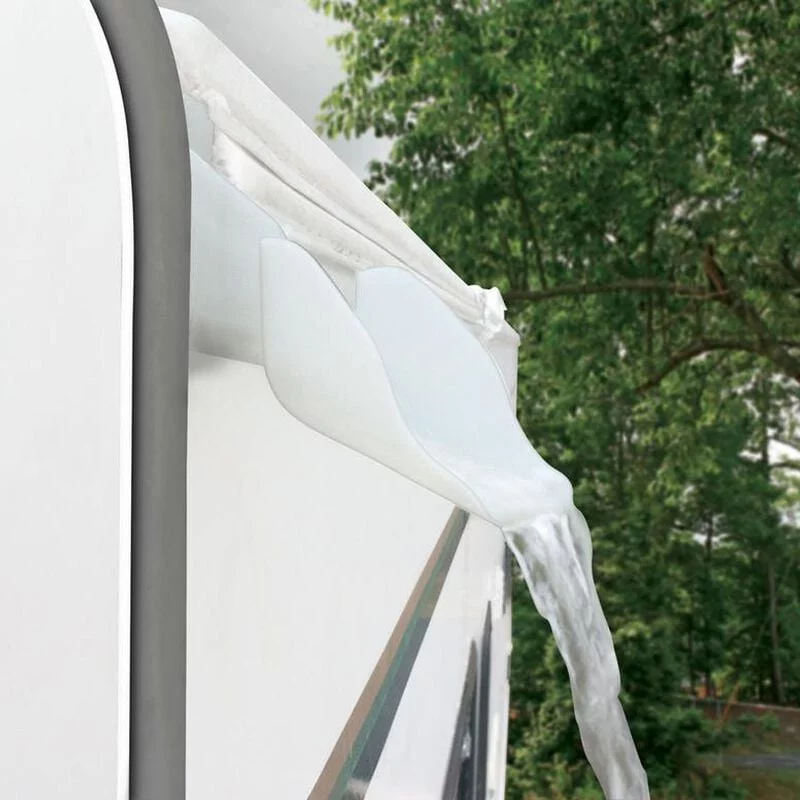
Ensure gutters and roof drainage areas are clear of debris so water flows properly away from the coach.
Manage High Winds
Strong winds can affect both parked and moving RVs.
If parked, position your RV so the smallest profile faces prevailing winds when possible. Lower leveling jacks fully and ensure stabilizers are secure.
If driving in windy conditions, reduce speed and maintain a firm grip on the steering wheel. Be especially cautious when passing large trucks or crossing open bridges where wind gusts can be stronger.
Prepare for Cold Weather
Storm systems often bring sudden temperature drops.
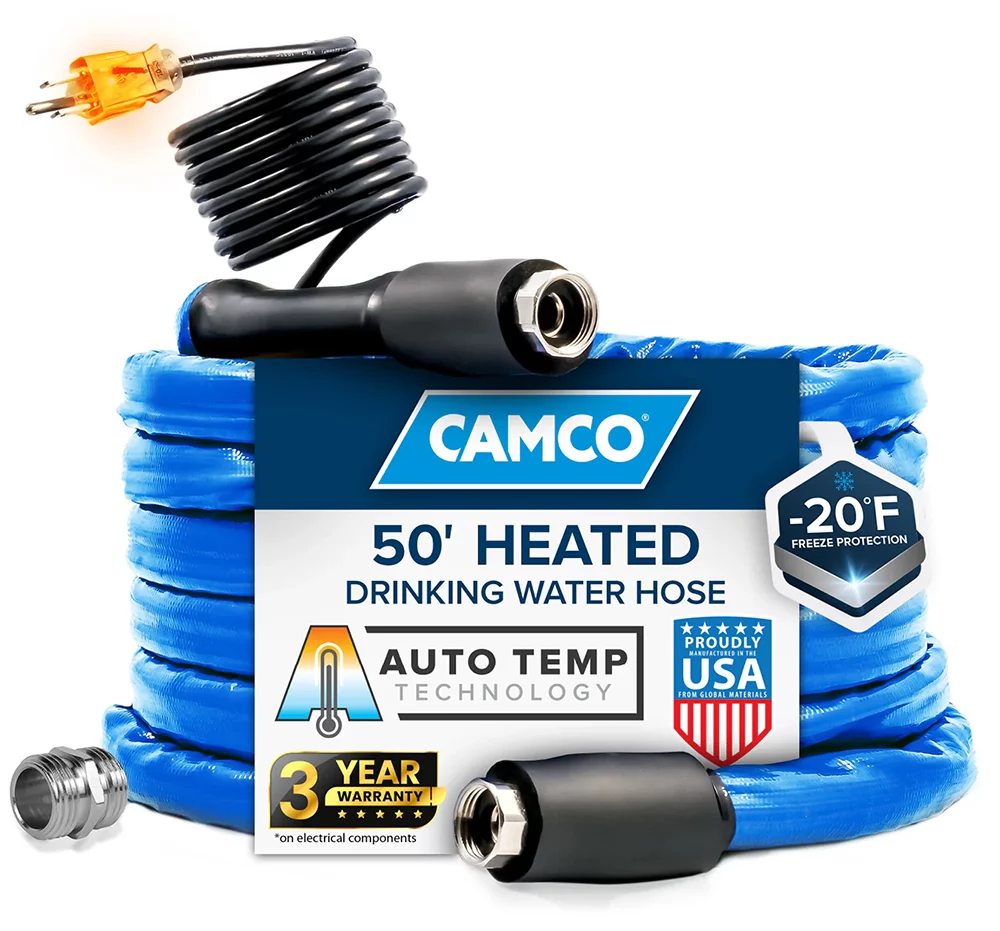
If freezing conditions are expected, protect plumbing systems. Insulate exposed water hoses or disconnect and drain them overnight. Use RV-specific heated hoses when necessary.
Keep propane tanks adequately filled to support furnace operation. Monitor battery levels, as cold temperatures reduce battery efficiency.
Handle Extreme Heat
Storms can also include intense heat and humidity.
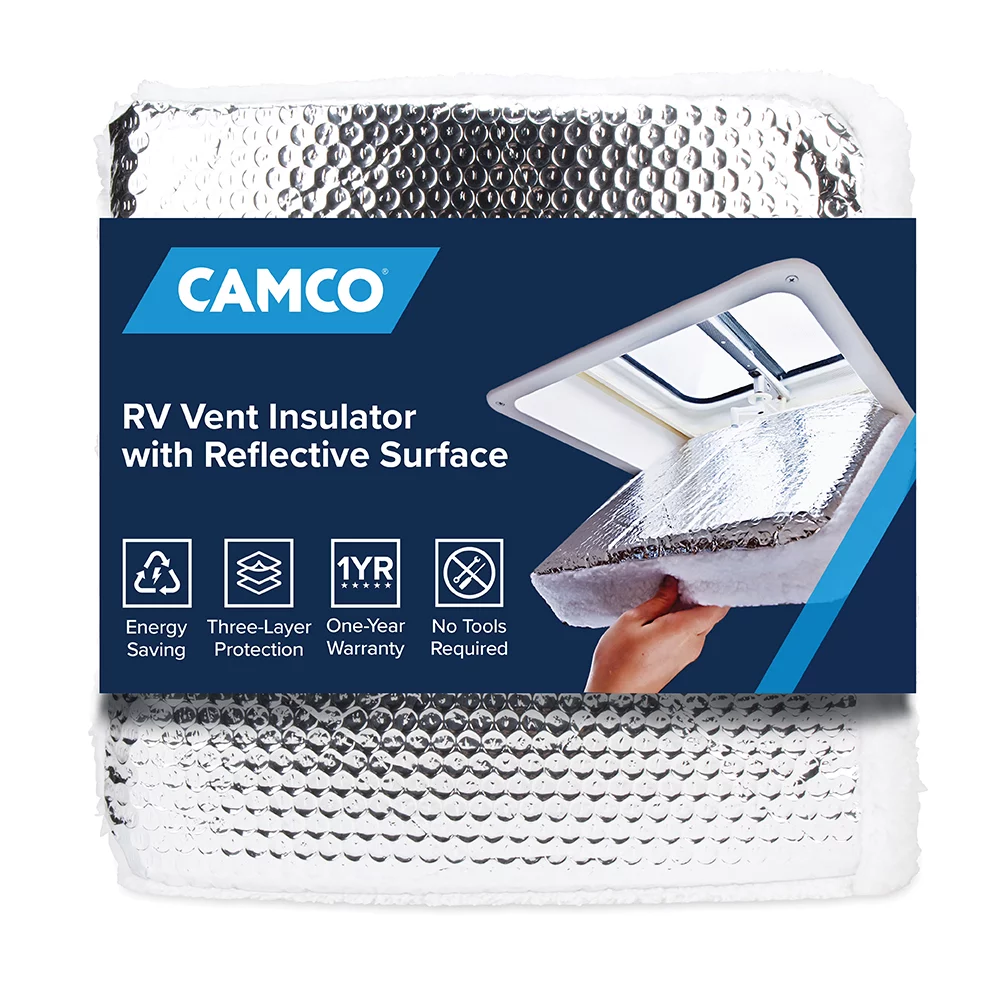
Ensure your air conditioning system is functioning properly before peak temperatures arrive. Park in shaded areas when possible and use reflective window covers to reduce interior heat buildup.
Maintain ventilation to prevent excess humidity, which can lead to condensation and mold.
Emergency Supplies Matter
Severe weather can disrupt travel plans unexpectedly.
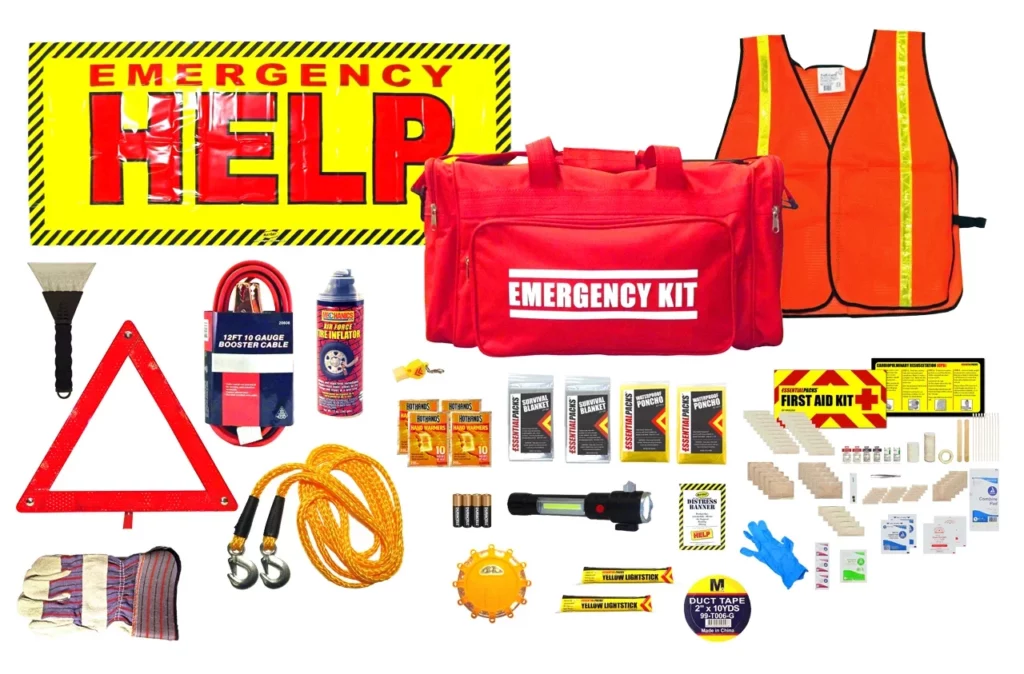
Keep basic emergency supplies on hand, including flashlights, extra batteries, bottled water, non-perishable food, and a first-aid kit. Having backup power sources, such as a generator or fully charged battery bank, ensures essential systems remain operational if campground power is interrupted.
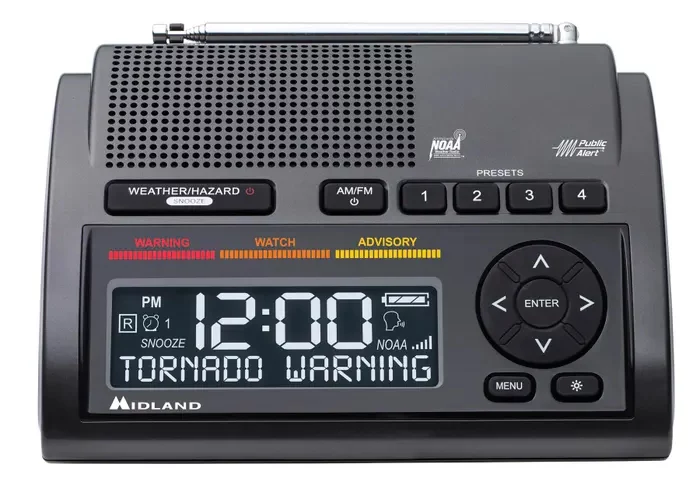
A weather radio can provide critical updates if cellular service is disrupted.
After the Storm Passes
Once conditions improve, inspect your RV thoroughly.
Check the roof, sidewalls, and undercarriage for visible damage. Look for loose trim, damaged seals, or debris impact. Inside, inspect ceilings and cabinets for signs of moisture intrusion.
Catching minor damage early prevents larger repairs later.
When to Seek Professional Help
If your RV experiences hail damage, leaks, electrical issues, or structural concerns after a storm, professional service is recommended.
Poulsbo RV’s service team can assist with:
- Roof and seal inspections
- Leak diagnostics and repair
- Exterior body and paint repair
- Electrical system evaluations
- Post-storm damage assessments
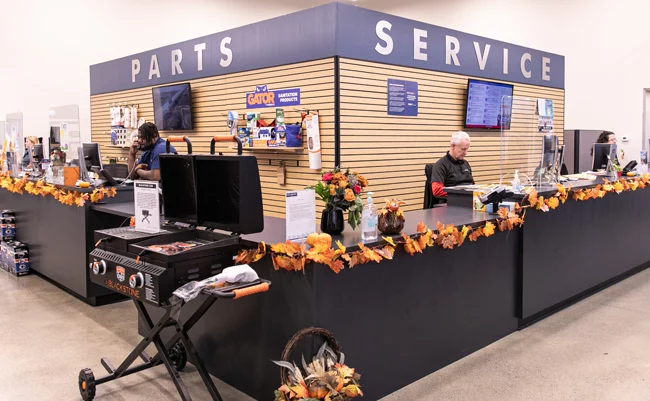
Our Parts Departments also carry sealants, covers, weather protection products, and emergency accessories to help you prepare in advance.
Final Thoughts
Storms are part of the travel experience, but preparation makes all the difference. By staying informed, securing your RV properly, and maintaining critical systems, you can weather challenging conditions with confidence.
If you’d like help preparing your RV for changing weather or need service after a storm, stop by any Poulsbo RV location. We’re here to help you stay safe and ready for the road ahead.


