

One of the most common questions RVers ask is, “Why did my power run out so fast?”
The answer usually isn’t a broken system—it’s a misunderstanding of how much power your RV can actually hold and produce.
Your RV’s electrical system is designed to support comfort and convenience, but it does have limits. Understanding those limits helps you avoid dead batteries, tripped breakers, and unexpected downtime—especially when camping off-grid.
At Poulsbo RV, we believe that once you understand your power capacity, everything from trip planning to appliance use becomes easier. Let’s break it down.
Why Understanding Power Capacity Matters
Knowing how much power your RV has—and how it’s created—helps you:
• Avoid draining batteries unexpectedly
• Plan off-grid or boondocking trips confidently
• Use appliances more efficiently
• Decide if solar, lithium batteries, or an inverter upgrade makes sense
• Reduce wear on batteries and electrical components
Power issues are rarely random. They’re usually math and planning problems—and those are fixable.
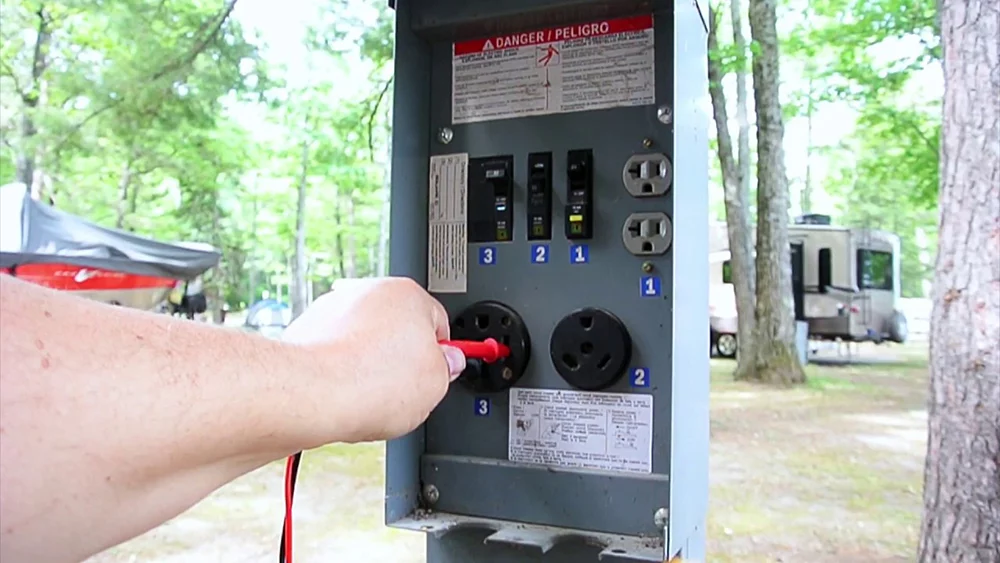
The Three Main Power Sources in Your RV
Most RVs use a combination of these power sources:
Shore Power
When plugged into campground or home power (30-amp or 50-amp)
your RV can run high-demand appliances like air conditioners, microwaves, and electric fireplaces with ease. This is your most powerful and stable source.
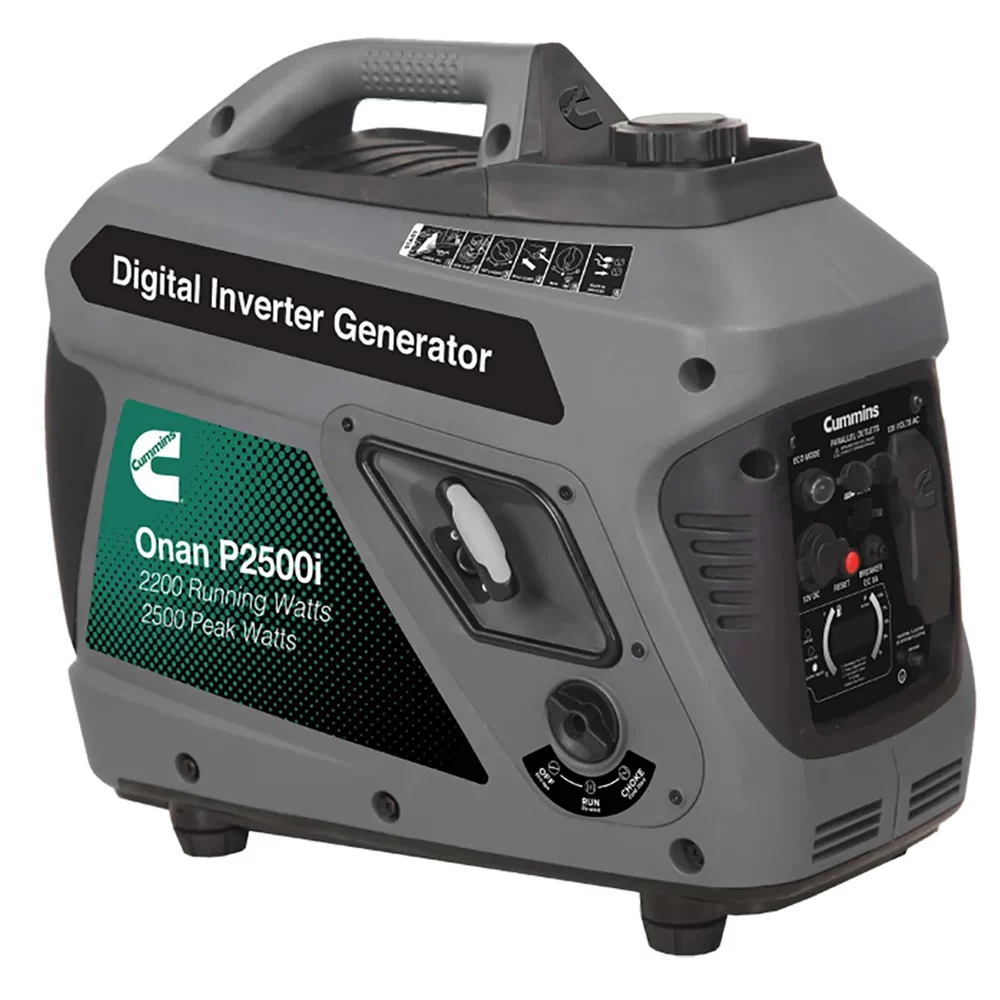
Generator Power
Generators provide 120-volt power similar to shore power, but with limits based on generator size. You can run many appliances, but not always all at once.
Battery Power
Batteries power your 12-volt systems—lights, water pump, fans, control panels, slides, and often your refrigerator control board. With an inverter, batteries can also power 120-volt outlets and appliances.
Solar Power
Solar doesn’t store power—it produces it. Solar panels recharge your batteries, extending how long you can stay off-grid.
Understanding which systems use which power source is the first step to managing capacity.
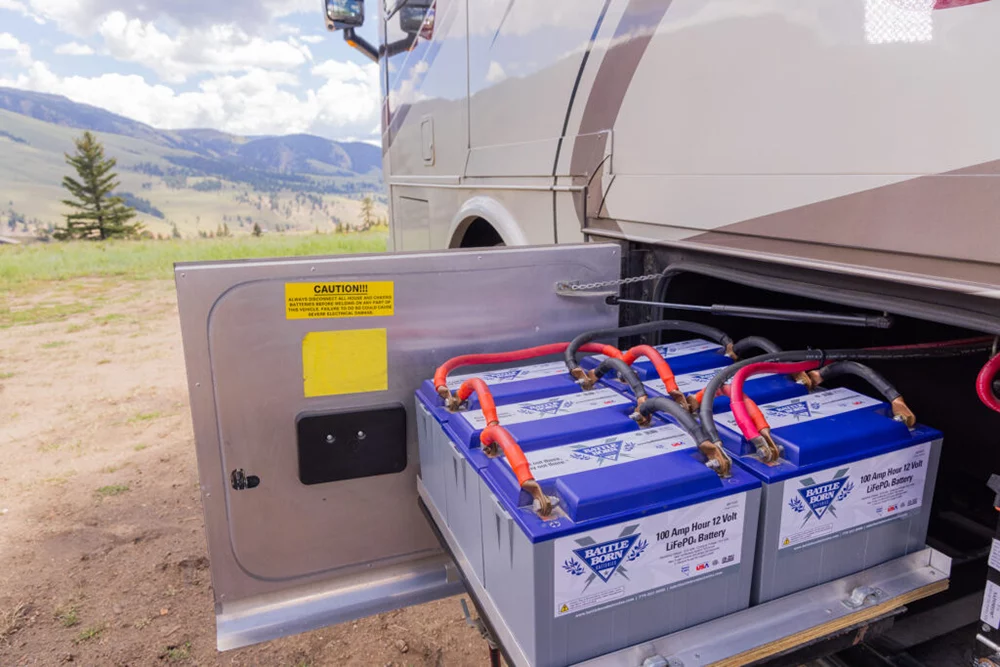
Understanding Battery Capacity
Your batteries determine how long you can operate without shore power or a generator.
Battery capacity is measured in amp-hours (Ah).
A simple example:
A 100Ah battery can theoretically provide 100 amps for one hour, or 10 amps for 10 hours. In real life, usable capacity is less due to efficiency loss and battery protection limits.
Common battery types:
• Lead-acid or AGM batteries: Typical usable to about 50% capacity
• Lithium batteries: Usable to 80–90% capacity and recharge faster
This means:
A single 100Ah lead-acid battery gives you about 50Ah of usable power
A single 100Ah lithium battery gives you closer to 80–90Ah of usable power
That difference matters when running appliances overnight or during cloudy weather.
How Inverters Affect Power Use
An inverter converts 12-volt battery power into 120-volt household power.
Inverters make off-grid living more convenient—but they also increase power demand.
Things to know:
• Larger inverters allow more appliances, but drain batteries faster
• Running 120V appliances on batteries uses significantly more energy
• Standby inverter draw can slowly drain batteries even when nothing is plugged in
Knowing what your inverter can handle—and when to turn it off—protects your power supply.
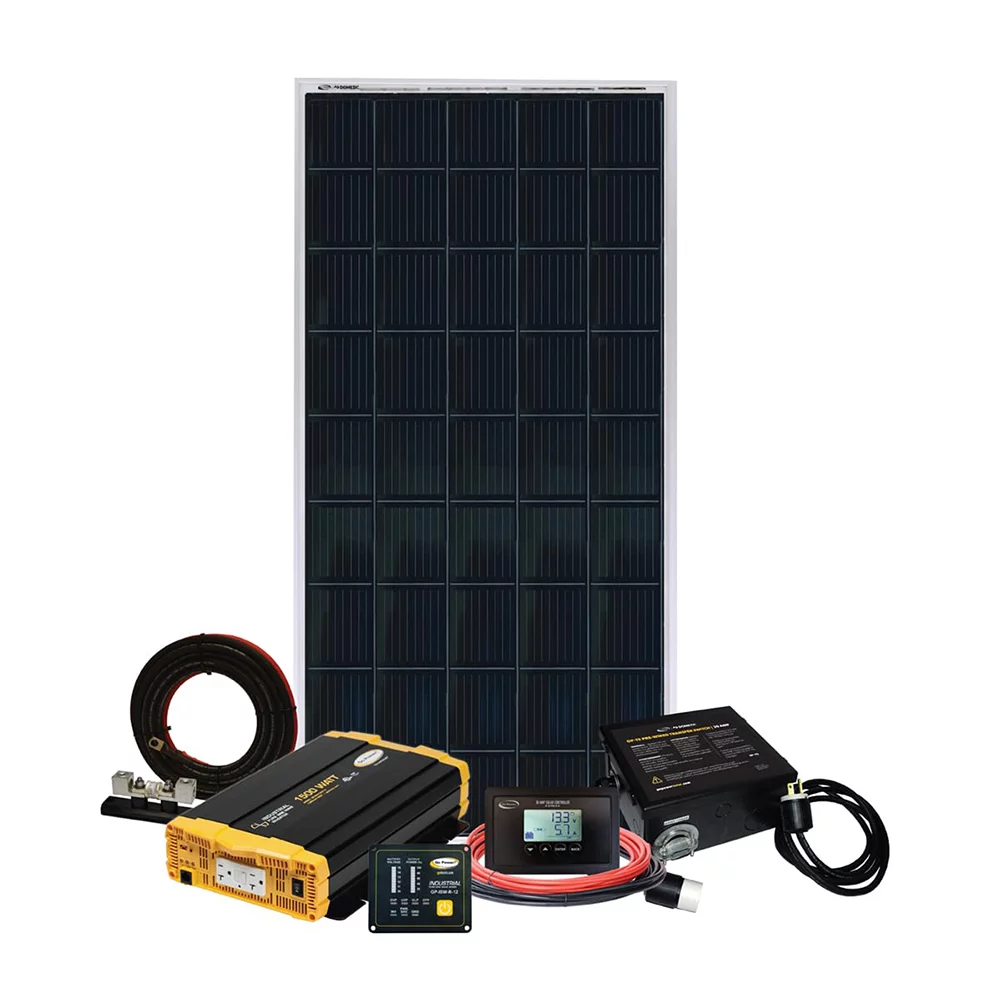
How Much Power Does Solar Actually Create?
Solar output depends on:
• Panel wattage
• Sun angle and weather
• Time of year
• Battery size
A simple guideline:
A 200-watt solar system might produce 800–1,000 watt-hours on a good sunny day.
That’s enough to recharge batteries after lights, water pump use, and basic electronics—but not enough to run high-draw appliances continuously.
Solar works best when:
• You conserve power overnight
• You use appliances during daylight hours
• You have enough battery storage to hold what solar creates
Solar extends your stay—it doesn’t make power unlimited.
How to Find Your RV’s Power Information
You don’t need to guess. Most RVs provide the information you need.
Check:
• Battery labels or documentation for amp-hour ratings
• Solar controller display for daily production
• Inverter panel for load and usage
• Owner’s manual for electrical system details
If you’re unsure, the Poulsbo RV service team can help identify your system and explain what it supports.
Connecting Power Capacity to Real-Life Use
Here’s where it all comes together.
If your batteries store 200Ah usable and your appliances consume 40Ah overnight, you can last roughly five nights—assuming no recharging.
If you add solar that replaces 30–40Ah daily, you can stay off-grid much longer.
Once you know:
• How much power you have
• How much power you use
• How much power you can create
You’re no longer guessing—you’re planning.

When to Consider an Upgrade
You might benefit from upgrades if you:
• Boondock frequently
• Work remotely from your RV
• Use inverters often
• Want quieter, generator-free camping
Common upgrades include:
• Lithium battery conversions
• Larger solar arrays
• Battery monitors
• Higher-capacity inverters
Our Parts Departments carry many of these solutions, and our service team can help ensure everything is sized and installed correctly.
Final Thoughts
Understanding your RV’s power capacity takes the mystery out of electrical systems. Once you know what you have and how it works, you can travel farther, stay longer, and camp more comfortably—without stressing over dead batteries.
If you’d like help evaluating your power system, adding solar, or upgrading batteries, stop by any Poulsbo RV location. We’re here to help you make the most of every amp, every mile, and every adventure.


