

When the weather cools down, many RV owners begin to notice a familiar problem: moisture collecting on windows, walls, and ceilings. This isn’t just a nuisance—it’s condensation. And left unchecked, it can cause serious issues like mold, mildew, and long-term damage to your RV’s interior.
At Poulsbo RV, we want to help you protect your home on wheels by understanding why condensation happens and what you can do to prevent it.
What Is Condensation?
Condensation happens when warm, moist air inside your RV meets a cold surface—like your windows, walls, or roof. The moisture in the air turns into liquid water, just like it does on a cold glass of lemonade in summer.
This is especially common during winter months or rainy seasons when outside temperatures drop and your furnace or heater is running.
How to Spot Condensation
Early detection is key. Here’s what to look for:
- Water droplets forming on windows or metal frames
- Damp walls or ceilings around corners, slide-outs, or vents
- Musty smells, especially in storage compartments or under beds
- Discoloration around window frames, seals, or caulking
- Soft spots in wood or laminate surfaces
If you spot any of these signs, it’s time to act before moisture builds into something more serious.
Common Causes of Condensation
Condensation is caused by everyday living inside your RV:
- Cooking without using the vent hood
- Taking hot showers without a vent fan running
- Drying clothes indoors
- Running propane heaters without ventilation
- Poor air circulation in cold or humid weather
The smaller the space, the faster humidity builds up—especially in the Pacific Northwest where the air already carries plenty of moisture.
How to Prevent and Reduce Condensation
Here are a few ways to manage moisture and protect your RV:
1. Improve Ventilation
- Run your roof vents and fans when cooking or showering.
- Crack a window slightly while heating to allow fresh air circulation.
- Use vent covers to keep air flowing even when it’s raining.
2. Control Humidity
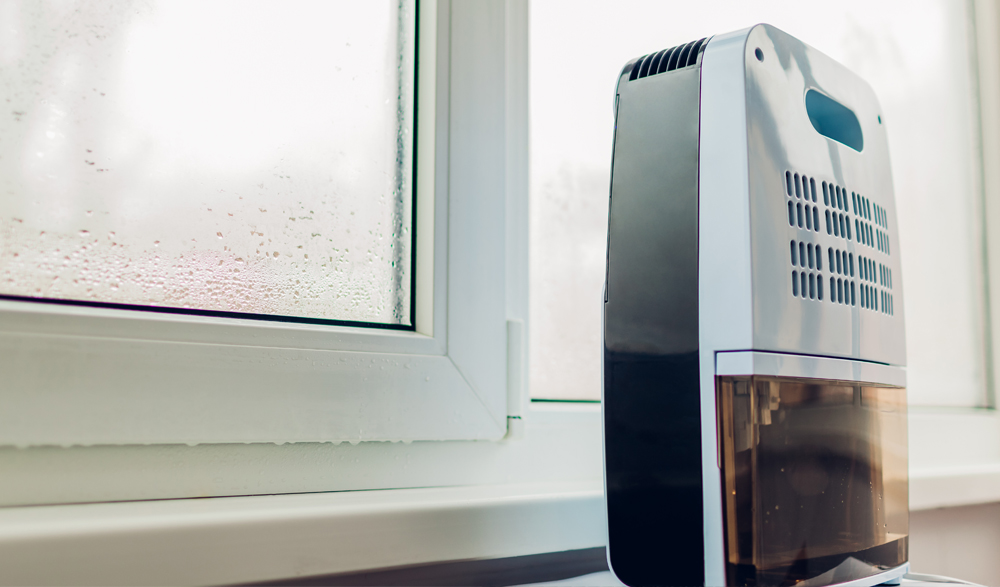
- Invest in a compact dehumidifier or moisture-absorbing crystals (available in our parts department).
- Keep your interior temperature moderate to avoid drastic temperature differences.
3. Insulate Properly
- Add window insulation film or thermal curtains.
- Use foam vent cushions and weather stripping around doors and slides.
- Our service team can inspect your seals and recommend insulation products for your RV’s make and model.
4. Dry Out After Each Trip
- Wipe down condensation-prone areas daily during use.
- Leave cabinet doors and storage spaces open to allow air circulation.
- Use your RV’s fan system for 15–30 minutes after cooking or bathing.
When to Call the Experts
If condensation has already caused visible damage—like bubbling walls, soft floors, or persistent mold—schedule a service inspection. Our trained technicians can identify leaks, reseal weak points, and recommend upgrades to help prevent future moisture buildup.
At Poulsbo RV, we carry sealants, insulation materials, and dehumidifying products in our parts departments, and our service team is always ready to help protect your investment.
Final Thoughts
Condensation is one of the most common challenges RV owners face, but it’s also one of the most preventable. With the right tools and a few smart habits, you can keep your RV warm, dry, and ready for adventure—no matter the season.
Stop by any Poulsbo RV location for advice, parts, or service support. We’re here to help keep your RV in top condition for every journey ahead.


