
Your RV tires do more than keep you rolling—they support your entire home on wheels. Every mile, every hill, every stretch of highway depends on them doing their job safely. Yet tire maintenance is one of the most overlooked parts of RV ownership.
At Poulsbo RV, we want you to travel with confidence. That starts with understanding why tire safety matters, how to read the information on your tires, and how to spot signs of wear before they turn into bigger, more expensive issues.
Why Tire Safety Matters
RV tires experience far more stress than the tires on most passenger vehicles. They carry heavier loads, endure long periods of storage, and often travel in extreme temperatures. Neglecting tire safety can lead to:
- Dangerous blowouts on the road
- Loss of handling and stability
- Premature tire failure
- Damage to your RV’s body or suspension
- Increased fuel consumption
A well-maintained tire doesn’t just last longer—it protects you, your passengers, and your RV.
How to Read the Information on Your RV Tires
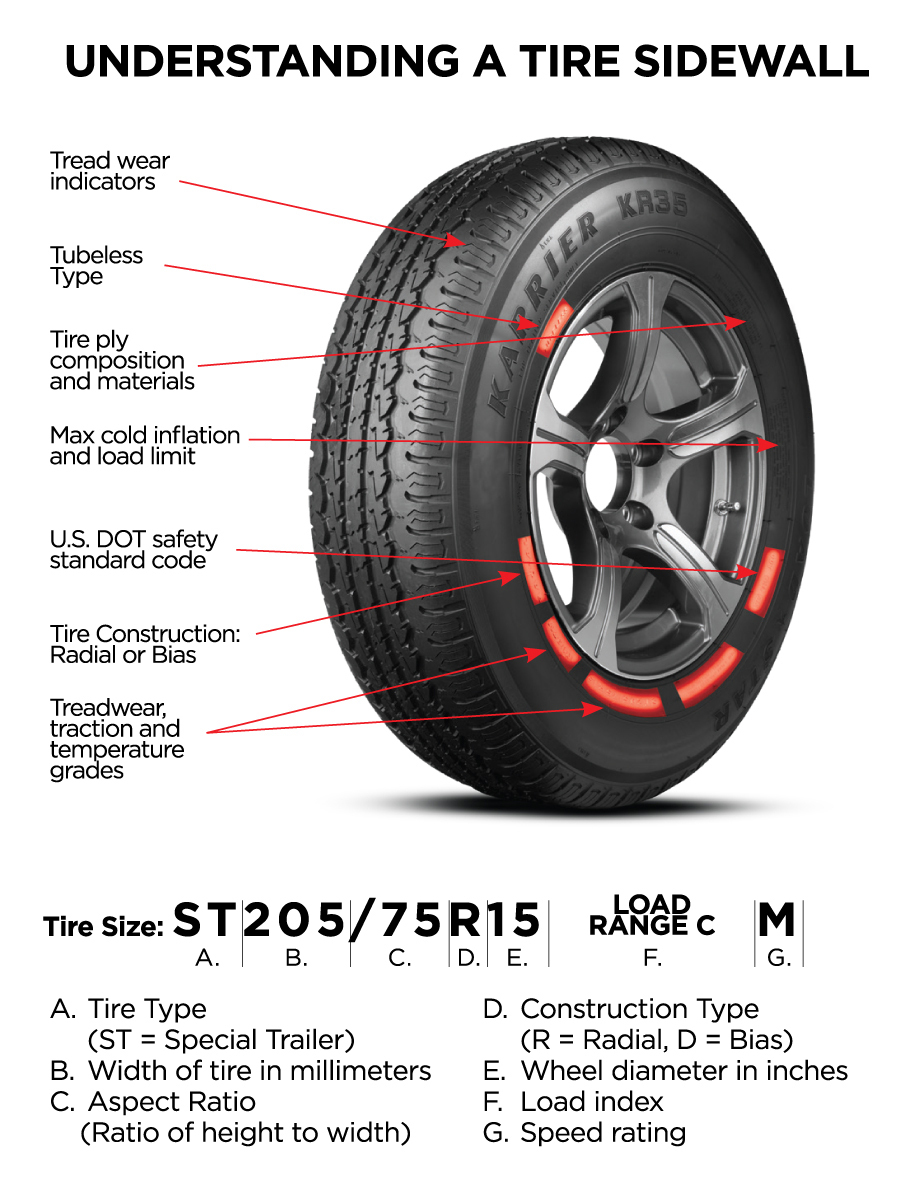
Every RV tire has important information printed on its sidewall. Understanding what these markings mean helps you choose the right replacements, inflate your tires correctly, and stay within safe weight limits.
1. Tire Size
Example: ST225/75R15
- ST means Special Trailer (common for towables)
- 225 is the width in millimeters
- 75 is the aspect ratio (height vs. width)
- R indicates radial construction
- 15 is the wheel diameter in inches
2. Load Range / Ply Rating
Example: Load Range D
This indicates how much weight the tire can safely carry. Higher letters mean higher load capacity.
3. Maximum Load Rating
Tells you the maximum weight the tire can support at a specific PSI. Exceeding this limit is one of the top causes of blowouts.
4. Maximum Inflation Pressure
The highest safe PSI for that tire. This is not your everyday recommended PSI—always follow the RV manufacturer’s sticker for the correct operating pressure.
5. DOT Date Code
Example: 2319
- First two digits = week
- Last two digits = year
- 2319 = 23rd week of 2019
This helps you track tire age. Most RV tires should be replaced every 5–7 years, even if they look fine.
If you need help reading your tire information, our Poulsbo RV parts and service teams are always ready to assist.
How to Spot Tire Wear — Before It Becomes a Problem
Regular tire inspections are one of the best habits an RVer can develop. Look for these signs:
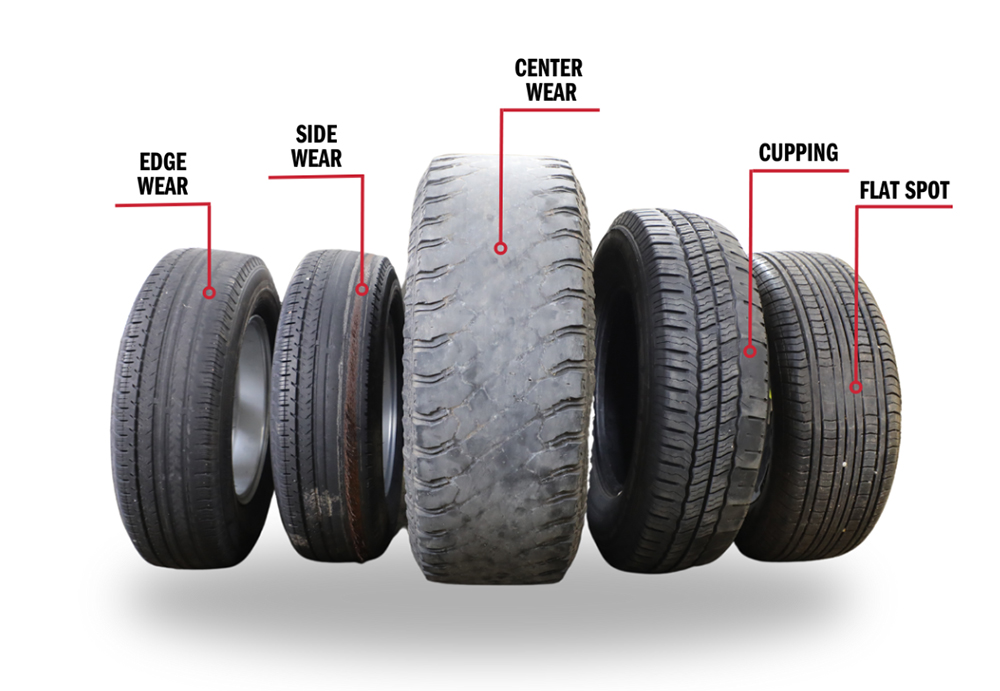
1. Uneven Tread Wear
- Center wear: overinflated
- Edge wear: underinflated
- Cupping or scalloping: suspension or alignment issues
Uneven wear means the tire is no longer making proper contact with the road.
2. Cracking or Dry Rot
Cracks along the sidewall or tread indicate aging, UV exposure, or prolonged storage. Cracked tires should be replaced immediately.
3. Bulges or Bubbles
A bulge means the internal structure has failed. This is an urgent safety hazard and requires immediate replacement.
4. Low Tread Depth
Use a tread depth gauge—or the classic penny test. Anything below 4/32″ is considered unsafe for RVs, especially in wet conditions.
5. Vibration While Driving
This can mean a tire is out of balance, damaged, or nearing failure.
6. Embedded Objects
Nails, screws, or glass can cause slow leaks or sudden failures. Remove and repair or replace as necessary.
Daily and Seasonal Tips for RV Tire Safety
Following a few simple practices can keep your tires in top condition:
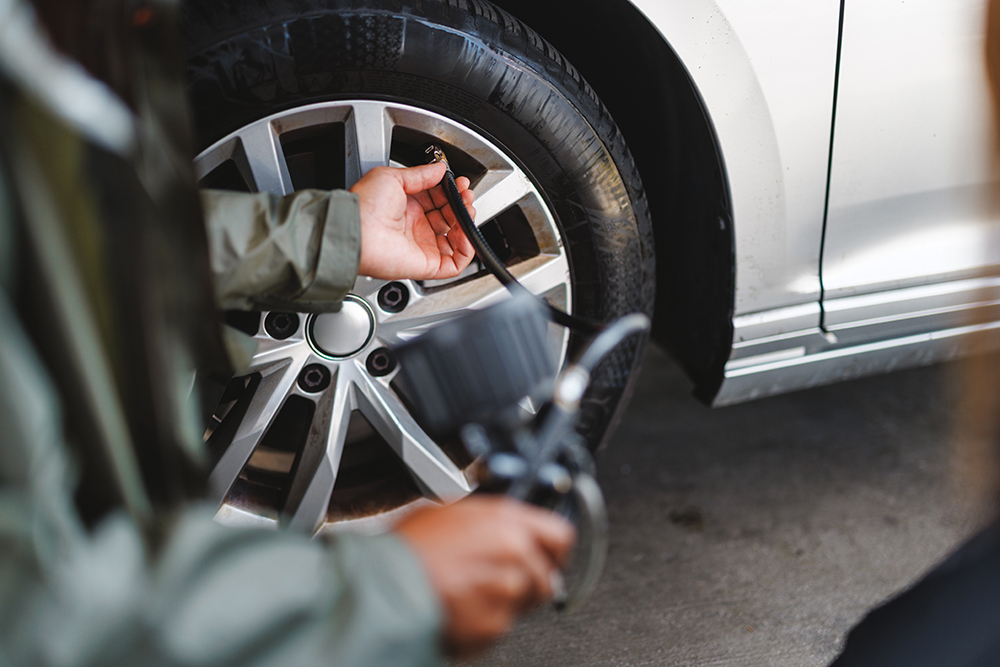
Check Tire Pressure Before Every Trip
Always check PSI when tires are cold. Heat increases pressure and can give you a false reading.
Weigh Your RV
Overloaded tires are a leading cause of RV blowouts. Make sure your RV is within its GVWR and axle weight limits.
Protect Tires in Storage
- Use tire covers
- Park on solid, dry surfaces
- Move your RV occasionally to prevent flat spots
Avoid UV Damage
Sun exposure ages rubber quickly. Parking in shade or using covers can add years to your tire life.
When to Call the Experts
If you see cracks, bulges, heavy wear, or if your tires are reaching the 5–7 year mark, it’s time for a professional inspection.
Poulsbo RV’s service team can:
- Check pressure and adjust PSI
- Inspect tread and sidewalls
- Identify alignment or suspension issues
- Recommend replacement tires for your RV’s weight and travel habits
Our parts department also carries tire gauges, portable inflators, tire covers, and high-quality RV tires from trusted brands.
Final Thoughts
Your RV tires are the foundation of safe travel. By understanding what your tire markings mean, inspecting regularly, and staying ahead of wear and tear, you’ll be better prepared for every mile ahead.
Stop by any Poulsbo RV location for tire tools, replacements, or a full safety inspection. We’re here to help keep your RV road-ready for every adventure.


