

Smart Driving & Maintenance Habits That Save You Money
Fuel is one of the biggest operating costs of RV travel. Whether you’re driving a motorhome or towing a travel trailer or fifth wheel, fuel economy plays a major role in trip planning and long-term ownership costs.
At Poulsbo RV, we regularly talk with RVers looking for ways to stretch their fuel budget without sacrificing comfort or capability. The good news is that improving fuel economy doesn’t require major upgrades; just smart habits, proper maintenance, and an understanding of how your RV performs on the road.
Why RV Fuel Economy Matters
RVs are heavier and less aerodynamic than standard passenger vehicles. That means even small changes in driving style or setup can have a noticeable impact on fuel consumption.
Improving fuel efficiency can help you:
• Reduce overall travel costs
• Extend driving range between fuel stops
• Reduce engine strain
• Improve long-term reliability
• Travel more often within the same budget
Fuel savings add up quickly over the course of a season.
Drive at Consistent, Moderate Speeds
Speed has one of the biggest impacts on fuel consumption. The faster you drive, the more wind resistance your RV must overcome. Aerodynamic drag increases significantly at highway speeds.
Most motorhomes and tow vehicles achieve their best fuel efficiency between 55–65 mph. Driving 70–75 mph may only save a few minutes of travel time, but it can significantly increase fuel usage.
Using cruise control on flat highways can also help maintain steady throttle input and improve consistency.
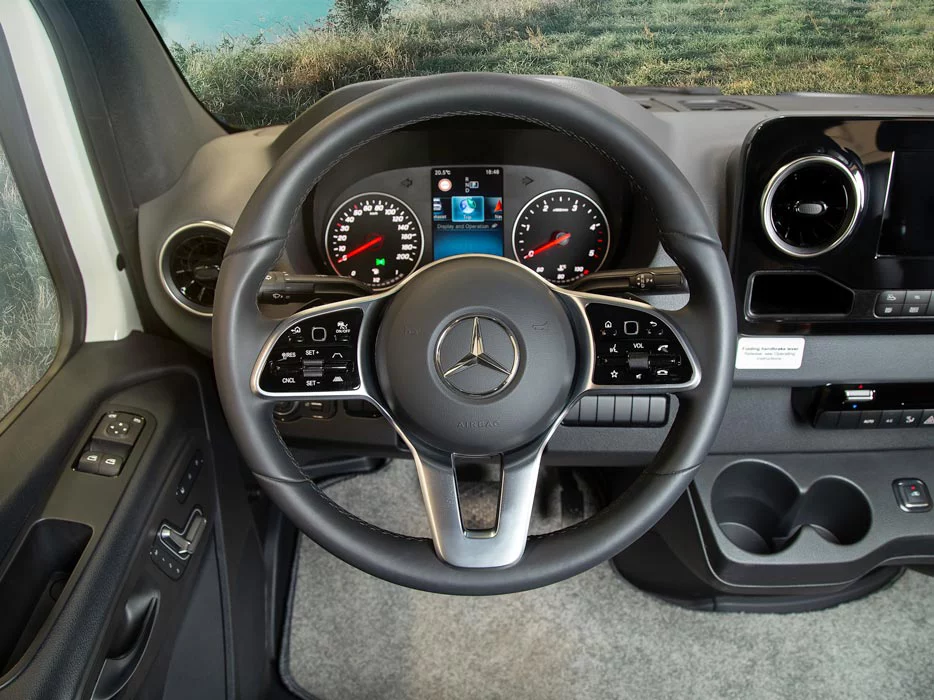
Accelerate and Brake Smoothly
Hard acceleration burns more fuel, and frequent heavy braking wastes momentum you’ve already paid for in fuel.
Plan ahead in traffic. Leave extra following distance. Coast gradually when approaching stops. Smooth driving habits improve both fuel economy and safety.
Watch Your Weight
The heavier your RV, the harder your engine has to work. Extra cargo, full water tanks, unnecessary gear, and aftermarket additions all add weight.
Before long trips:
• Remove unused items
• Travel with partial water tanks when possible
• Distribute weight properly
• Verify you’re within safe weight ratings
If you’re unsure about your loaded weight, having your RV weighed is a smart step toward both safety and efficiency.
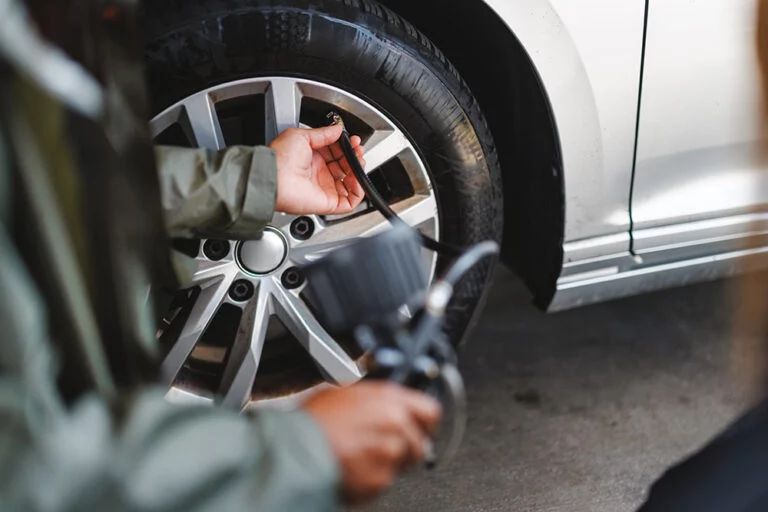
Maintain Proper Tire Pressure
Underinflated tires create rolling resistance, forcing your engine to work harder.
Check tire pressure before every trip and when tires are cold. Use the recommended PSI based on your actual axle weights—not just the maximum pressure printed on the sidewall.
Properly inflated tires improve:
• Fuel efficiency
• Handling
• Tire life
• Braking performance
It’s one of the simplest and most effective ways to improve fuel economy.
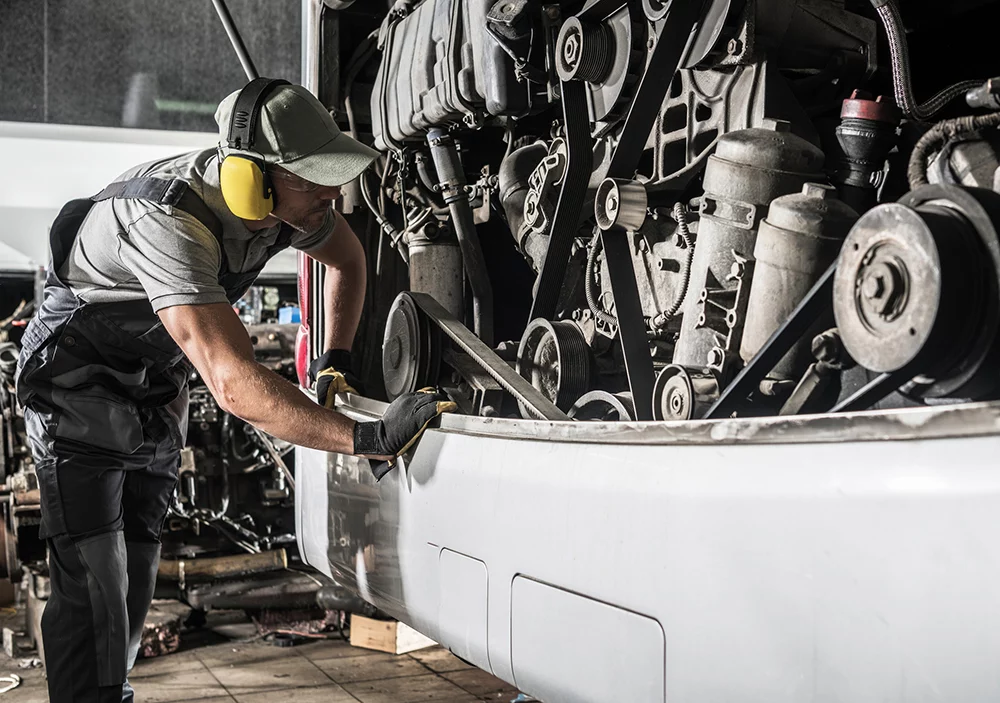
Keep Up With Engine Maintenance
Routine maintenance directly affects performance and fuel usage.
Stay current with:
• Oil and filter changes
• Air filter replacement
• Fuel filter service
• Spark plug replacement (gas engines)
• Proper fluid levels
A clogged air filter or dirty fuel system can reduce efficiency and power output.
If your RV feels sluggish or fuel economy drops suddenly, it may be time for service.
Use Tow/Haul Mode Properly
If your motorhome or tow vehicle has Tow/Haul mode, use it when appropriate. This feature adjusts transmission shift patterns to reduce strain and improve performance under load.
While Tow/Haul mode may slightly increase RPMs, it often improves efficiency by preventing excessive gear hunting and overheating.
Reduce Wind Resistance
Aerodynamics matter more than many RVers realize.
For motorhomes:
• Keep roof storage minimal
• Secure awnings properly
• Close roof vents while driving
For towables:
• Consider a properly adjusted weight distribution hitch
• Ensure trailer height is level
• Avoid unnecessary exterior accessories that disrupt airflow
Even small aerodynamic improvements can make a measurable difference over long distances.
Limit Generator Use While Driving
Some RVers run generators while driving to power appliances. While sometimes necessary, doing so increases overall fuel consumption.
When possible, rely on vehicle power systems rather than running the generator continuously.
Plan Fuel Stops Strategically
Fuel planning can help avoid unnecessary detours or last-minute stops in high-priced areas.
Use fuel apps or trip planners to:
• Compare fuel prices
• Identify truck-friendly stations
• Avoid congested exits
Efficient planning reduces idling time and wasted miles.
Don’t Ignore Idling
Long idle periods burn fuel without moving you forward. Limit warm-up times and avoid extended idling at rest stops when possible.
Modern engines typically require only brief warm-up periods before driving.
Know What’s Realistic
It’s important to set reasonable expectations. Motorhomes and tow vehicles pulling trailers will never match the fuel economy of a standard car.
However, small improvements across multiple habits can improve mileage by 5–15 percent, which makes a meaningful difference over thousands of miles.
When to Talk to a Professional
If you notice a sudden drop in fuel economy, unusual engine behavior, or transmission issues, it’s worth having your RV inspected.
Poulsbo RV’s service team can:
• Evaluate engine performance
• Inspect tires and suspension
• Check alignment issues
• Diagnose fuel system concerns
• Ensure your RV is operating efficiently
Sometimes the solution is simple maintenance that restores lost performance.
Final Thoughts
Maximizing your RV’s fuel economy isn’t about sacrificing comfort—it’s about driving smarter and maintaining your coach properly. With steady speeds, balanced weight, proper tire inflation, and routine service, you can reduce fuel costs and extend the life of your RV.
If you have questions about maintenance, tire pressure, towing setup, or performance concerns, stop by any Poulsbo RV location. We’re here to help you travel farther, spend smarter, and enjoy every mile of the journey.


