

Your RV is more than a vehicle—it’s your home on wheels. And like any home, it needs regular care to stay safe, comfortable, and reliable. Preventative maintenance isn’t about fixing problems after they happen. It’s about catching small issues early, protecting your investment, and avoiding costly repairs down the road.
At Poulsbo RV, we see firsthand how routine maintenance can extend the life of an RV and keep trips running smoothly. Whether you’re a weekend traveler, seasonal camper, or full-time RVer, these preventative maintenance habits will help keep your RV ready for the road.
Why Preventative Maintenance Matters
Every mile you travel puts stress on your RV. Road vibration, temperature changes, moisture, and everyday use all take a toll on systems working together in a compact space.
Staying ahead of maintenance helps you:
• Prevent water damage and leaks
• Avoid breakdowns and unexpected repairs
• Extend the life of major systems and components
• Improve safety and reliability on the road
• Protect resale value
Catching a loose seal or worn component early is far easier—and less expensive—than repairing damage after it spreads.
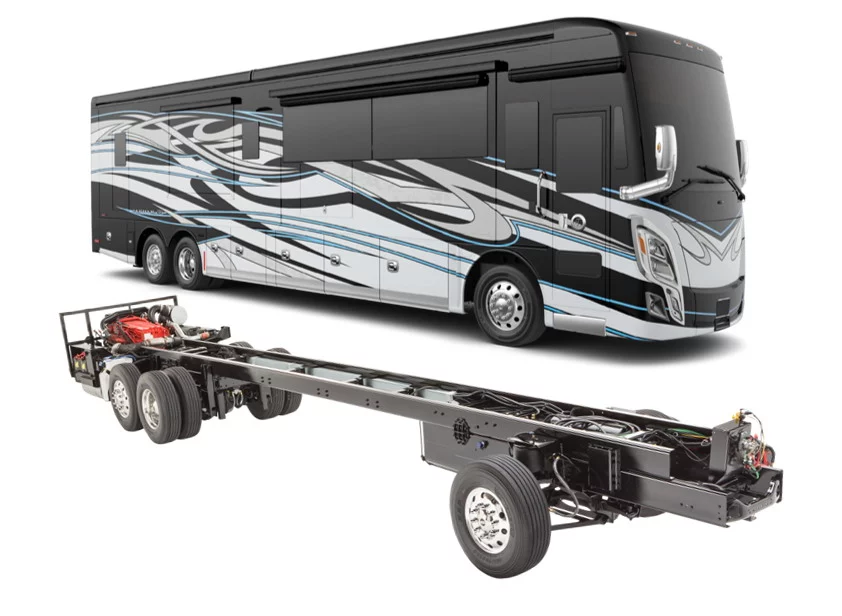
Two Parts of RV Maintenance: Chassis and Coach
RV maintenance generally falls into two categories.
The chassis and drivetrain include items like the engine, transmission, brakes, suspension, and tires. These require regular service similar to any vehicle.
The coach, or living portion, includes the roof, seals, appliances, plumbing, electrical systems, slides, and interior components. This is where many RV-specific issues develop if maintenance is overlooked.
Both areas deserve regular attention.
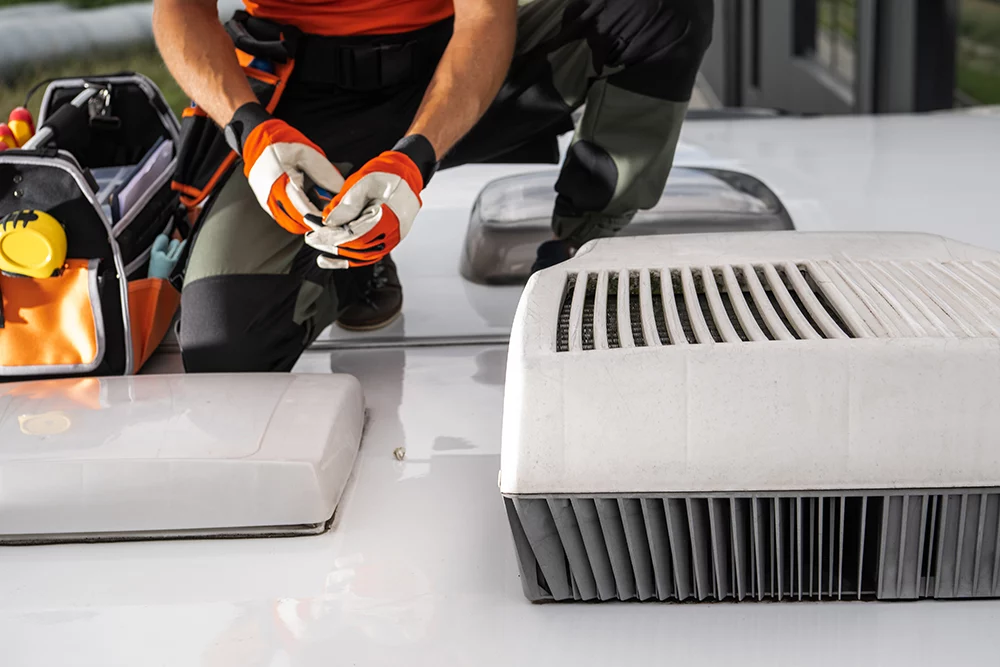
Start at the Top: Roof and Seal Inspections
Your roof is one of the most important areas to inspect regularly.
Roof Surface
Check for cracks, punctures, soft spots, or debris buildup. A clean roof makes it easier to spot early problems.
Sealant & Caulking
Inspect around vents, antennas, skylights, and along roof edges. Look for cracking, peeling, or separation. Failed sealant is one of the leading causes of water damage in RVs.
Air Conditioner Units
With power disconnected, inspect rooftop AC units for debris and bent fins. Inside the RV, clean or replace AC filters regularly to maintain airflow and efficiency.
Slide Toppers & Awnings
Check fabric for tears, stress points, or pooling debris. Addressing wear early helps prevent fabric failure later.

RV Sides and Exterior Components
As you move down from the roof, inspect the exterior walls and openings.
Windows & Exterior Seals
Look closely at window frames and trim for cracked or separated sealant. Even small gaps can allow moisture intrusion over time.
Appliance Vents
Remove refrigerator and furnace vent covers to check for debris, insects, or nests. Blocked vents can affect performance and create safety risks.
Slides & Awnings
Inspect slide mechanisms and awning arms for smooth operation. Keep tracks clean and lubricate moving parts with RV-approved products.
Entry Steps
Retractable steps should be cleaned and lubricated regularly. Check mounting hardware and tighten bolts as needed, as vibration can loosen fasteners over time.
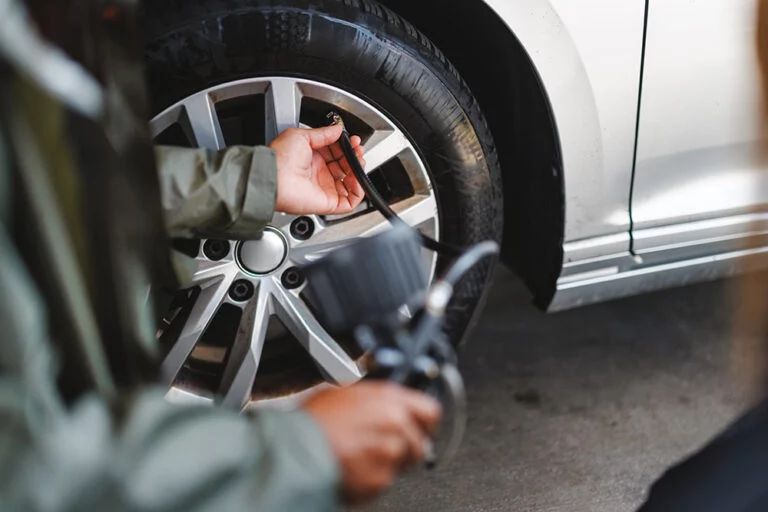
The Foundation: Tires, Jacks, and Leveling Systems
Your RV’s “feet” play a major role in safety and stability.
Tires
Inspect tires regularly for cracks, dry rot, uneven wear, or embedded objects. Check tire pressure when tires are cold and monitor age using the DOT date code.
Jacks & Leveling Systems
Look for rust, fluid leaks, or abnormal movement. Clean and inspect jack arms and mounting points to ensure proper operation.
Protective Pads
Using jack pads or snap-on foot pads helps protect both campground surfaces and your RV’s jacks.
Generator Maintenance
If your RV is equipped with a generator, regular use and service are critical.
• Change generator oil according to hour intervals or at least annually
• Run the generator monthly under load to keep components lubricated
• Inspect air filters and spark plugs regularly
• Check for leaks or unusual noises
Generators that sit unused for long periods are more likely to develop problems.
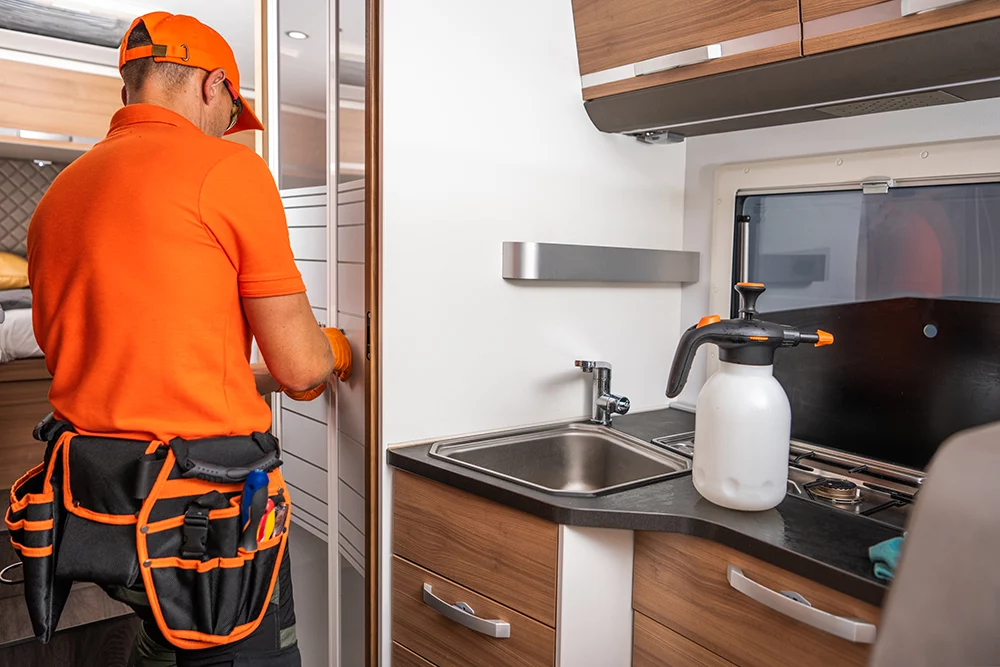
Interior Systems and Everyday Checks
Inside your RV, preventative care keeps everything working smoothly.
Plumbing
Check for leaks under sinks, around toilets, and near water heaters. Address drips early to prevent hidden damage.
Electrical
Watch for flickering lights, tripped breakers, or loose outlets. Electrical issues often give early warning signs.
Appliances
Operate appliances regularly and listen for unusual sounds. Proper ventilation and cleaning help to extend their lifespan.
Smoke & Safety Devices
Test smoke detectors, carbon monoxide detectors, and propane alarms regularly. Replace batteries as needed.
When to Schedule Professional Service
Some maintenance tasks are best handled by trained technicians.
Poulsbo RV’s service team can help with:
• Roof and seal inspections
• Electrical and plumbing diagnostics
• Brake and suspension service
• Generator maintenance
• Appliance repairs and adjustments
• Seasonal inspections and prep
Our Parts Departments also carry sealants, lubricants, filters, cleaning products, and maintenance tools designed specifically for RV use.
Final Thoughts
Preventative RV maintenance doesn’t have to be complicated or time-consuming. A routine walk-around, regular inspections, and addressing small issues early can save you time, money, and stress down the road.
If you’re unsure where to start or want professional support, stop by any Poulsbo RV location. We’re here to help keep your RV safe, comfortable, and ready for every adventure ahead.


