

One of the biggest advantages of RV travel is the freedom to camp beyond traditional hookups. Whether you’re boondocking on public land, staying at a remote campsite, or parking overnight without shore power, understanding how to power your RV off-grid is essential.
At Poulsbo RV, we often hear the same question: “How long can I run without plugging in?” The answer depends on your power system, your appliances, and how you manage energy use.
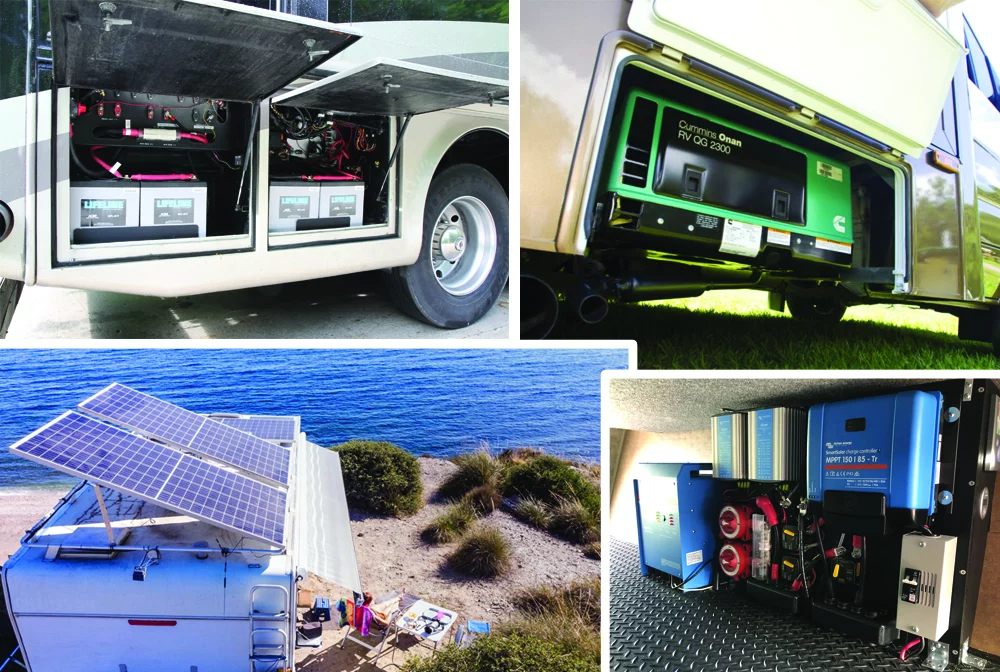
Understanding Your RV’s Power Sources
When you’re not plugged into shore power, your RV relies on onboard systems to generate and store electricity.
Battery Power
Your house batteries supply 12-volt power to lights, water pumps, fans, control boards, and other essential systems. With an inverter, batteries can also power standard 120-volt outlets and appliances.
Generator Power
A generator provides 120-volt power similar to campground hookups. It allows you to run high-demand appliances like air conditioners, microwaves, and coffee makers, but it consumes fuel and creates noise.
Solar Power
Solar panels don’t store power; they recharge your batteries. The amount of power generated depends on panel size, sunlight exposure, and weather conditions.
Inverters and Converters
An inverter converts battery power into usable 120-volt electricity. A converter charges your batteries when plugged into shore power or a generator.
Understanding how these systems work together helps you manage power effectively when camping off-grid.ur awning in good condition helps ensure it stays reliable throughout camping season.
Know Your Battery Capacity
Your battery bank determines how long you can operate without external power.
Lead-acid batteries offer reliable performance but have limited usable capacity. Lithium batteries provide more usable energy, faster charging, and longer life cycles. The size of your battery bank—measured in amp-hours—directly affects how long you can stay unplugged.
Monitoring battery levels regularly helps prevent deep discharges that can shorten battery life.n indicate debris, alignment issues, or mechanical problems that should be inspected further.
Manage High-Draw Appliances
Some appliances consume far more power than others.
Air conditioners, space heaters, hair dryers, and electric cooking appliances can quickly drain batteries or require generator use. Off-grid camping often requires prioritizing essential systems and limiting high-wattage appliances.
Propane-powered appliances, such as furnaces, refrigerators (in certain modes)
and water heaters, reduce electrical demand and extend battery life.
Use Solar Strategically
Solar systems extend your off-grid capabilities by recharging batteries during daylight hours.
Panel size matters. A small solar setup may maintain battery charge for light usage, while larger systems can support extended stays. Parking in full sun and keeping panels clean improves efficiency.
Solar works best when paired with sufficient battery storage to hold the energy produced.
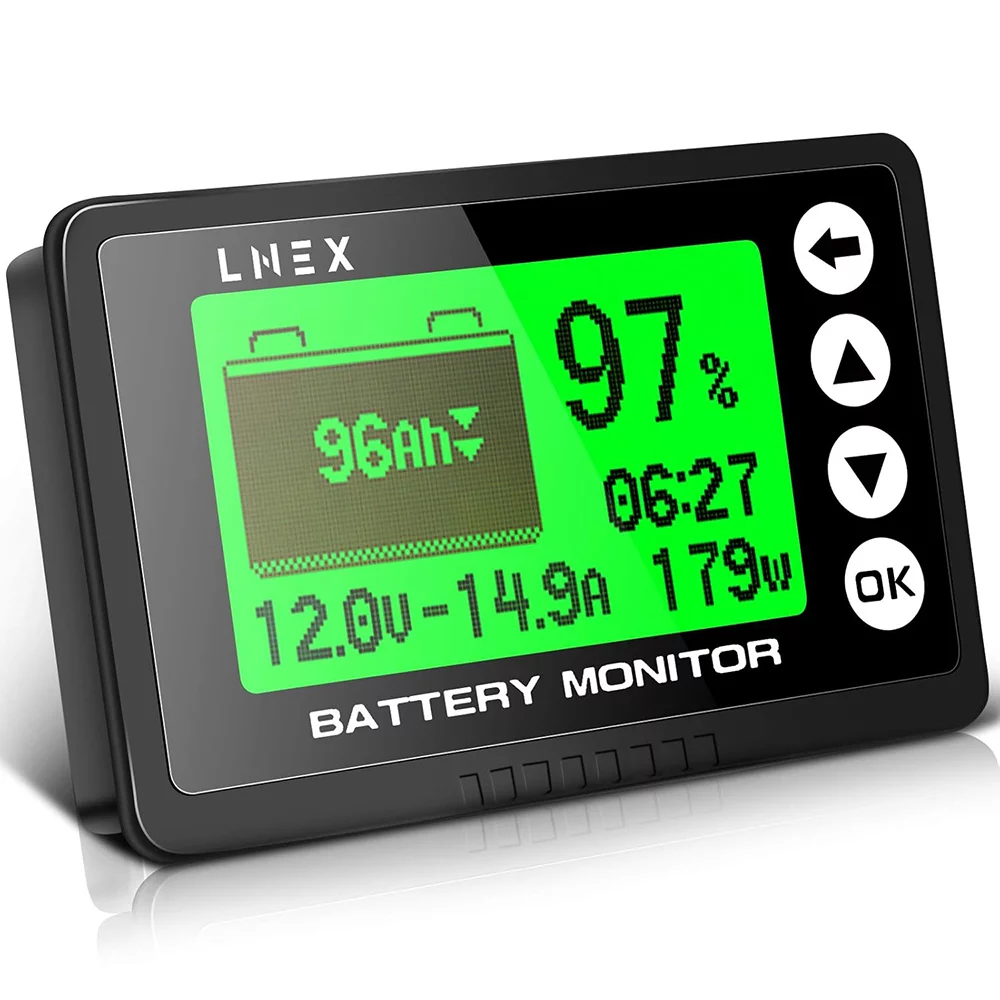
Monitor and Plan Your Usage
Power management becomes easier with awareness.
Battery monitors provide real-time information about state of charge, usage rates, and remaining capacity. Understanding how much power you consume daily allows you to adjust habits and plan generator run times if necessary.
Running high-demand appliances during peak solar production hours can help offset battery drain.
Consider System Upgrades
If you frequently camp without hookups, upgrading your power system may be worth considering. Common upgrades include:
- Larger lithium battery banks
- Expanded solar arrays
- Higher-capacity inverters
- Advanced battery monitoring systems
- Auto-start generator systems
These improvements increase comfort and flexibility, allowing longer stays without plugging in.
When to Seek Professional Guidance
Designing an off-grid system requires proper sizing and installation. Mismatched components or improper wiring can limit performance or create safety issues.
Poulsbo RV’s service team can evaluate your current setup and recommend upgrades tailored to your travel style. Our Parts Departments carry batteries, solar components, inverters, and monitoring systems designed specifically for RV use.
Final Thoughts
Power without plugging in is entirely possible with the right knowledge and equipment. By understanding your battery capacity, managing high-draw appliances, and using solar or generator power strategically, you can extend your time off-grid and travel with confidence.
If you’re ready to improve your RV’s off-grid capability, stop by any Poulsbo RV location. We’re here to help you stay powered wherever the road takes you.


