
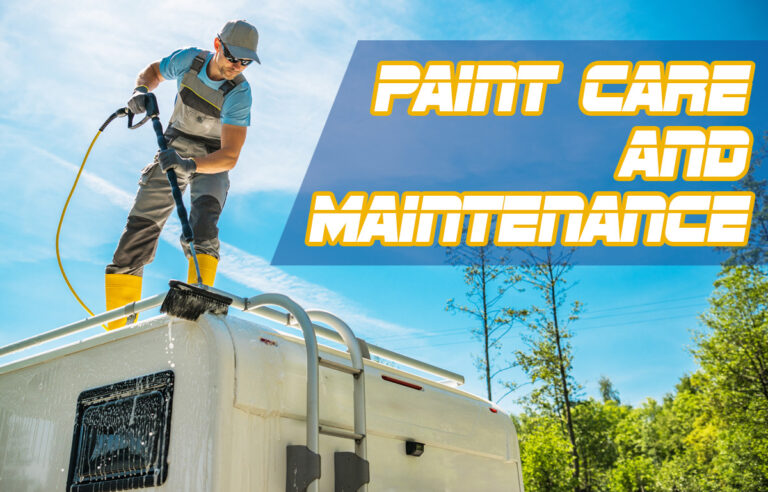
Your RV’s exterior is more than a pretty finish—it’s the first line of defense against sun, rain, road debris, and the constant wear of travel. Whether you store your RV outdoors year-round or take it across long stretches of highway, proper paint care helps preserve its appearance, protect its structure, and extend the lifespan of your investment.
At Poulsbo RV, we know how important it is to keep your motorhome or travel trailer looking great and protected from the elements. This guide will walk you through the essentials of RV paint care, what to watch for, and how to maintain a clean, protected exterior through every season.
Why Paint Care Matters
SkYour RV’s paint and clear coat protect it from more than just fading. With proper maintenance, you can prevent:
- UV damage and chalky oxidation
- Premature clear-coat peeling
- Water intrusion due to cracked sealant
- Staining from tree sap, bugs, or road grime
- Surface abrasion from dirt and environmental debris
- Rust or corrosion on exposed metal
Regular care keeps your RV looking newer, helps maintain resale value, and protects the structure underneath.
Understanding the Layers of RV Exterior Protection
Most RV exteriors are made up of several layers that work together to shield the surface:
- Gelcoat or Automotive Paint Finish – The colored layer that gives your RV its look
- Clear Coat – A protective top layer that adds shine and shields against UV rays
- Protective Sealants – Located around windows, seams, and edges to prevent water intrusion
- Decals or Graphics – Often vinyl materials that need special care to avoid cracking or fading
Knowing what your RV is made of helps you choose the right cleaning products and methods.
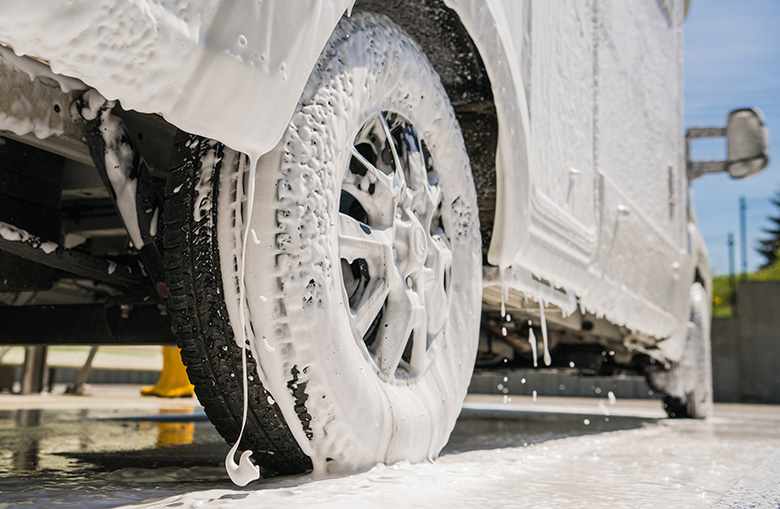
How to Properly Wash Your RV
A consistent washing routine removes harmful contaminants before they can damage the paint.
1. Use the Right Soap
Always use RV-specific or automotive-safe washes. Household detergents strip wax and damage clear coats.
2. Wash from the Top Down
Start with the roof to prevent streaks and debris from running onto already-clean surfaces.
3. Use Soft Brushes or Microfiber Mitts
Avoid stiff brushes that can cause scratches or swirl marks.
4. Rinse Frequently
Rinse sections as you go to prevent soap from drying on the surface.
5. Don’t Forget Wheels and Undercarriage
Road salt, mud, and debris in these areas can lead to long-term corrosion. Tip: Our parts departments carry RV-safe cleaners, brushes, and roof-care products for all surface types.
Waxing and Polishing: Protecting Your RV’s Finish
After washing, waxing adds a layer of protection between your paint and the elements.
Why Waxing Matters
- Shields against UV rays
- Repels water and reduces streaking
- Protects against bugs, sap, and pollutants
- Enhances shine and color depth
How Often Should You Wax?
For RVs stored outdoors, wax every 4–6 months. Indoors or covered storage can extend that to once or twice a year.
Choosing the Right Wax
- Use RV-safe waxes for gelcoat or clear-coat finishes
- Avoid high-abrasive compounds unless correcting oxidation
If your RV has oxidation — chalky white powder on the surface — a polishing step may be needed before waxing.
Spotting Early Signs of Paint Damage
Regular inspections can help you catch issues before they grow.
Look for:
- Fading or dullness (early oxidation)
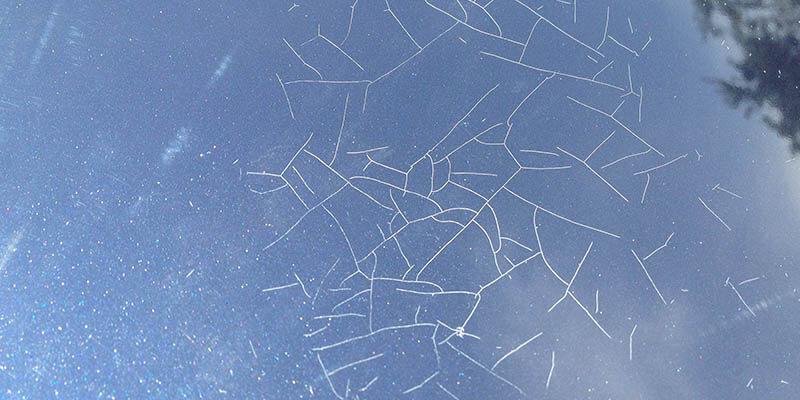
- Spiderweb cracks in the clear coat
- Peeling or lifting edges on decals
- Brown or rust-colored spots near metal trim
- Water streaks that don’t wash away
- Sticky patches or discoloration from sap or bird droppings
- Rough or chalky texture when you run your hand over the paint
The sooner you address these, the easier they are to correct.
Protecting Your RV Through Every Season
Every season has unique challenges for RV exterior care.
Summer Sun
UV rays cause fading and oxidation. Frequent washing and waxing help protect your finish.
Fall Leaves & Debris
Tree sap and leaf tannins can stain. Try to avoid parking under trees for extended periods.
Winter Weather
Cold temperatures are less harmful to paint than UV, but road salts, moisture, and long-term storage can still cause issues.
If storing your RV outdoors in winter:
- Use an RV cover that allows airflow
- Clean and wax before storage
- Ensure roof and seals are protected
Spring Pollen
Pollen can be acidic and abrasive. Wash it off promptly to avoid surface damage.
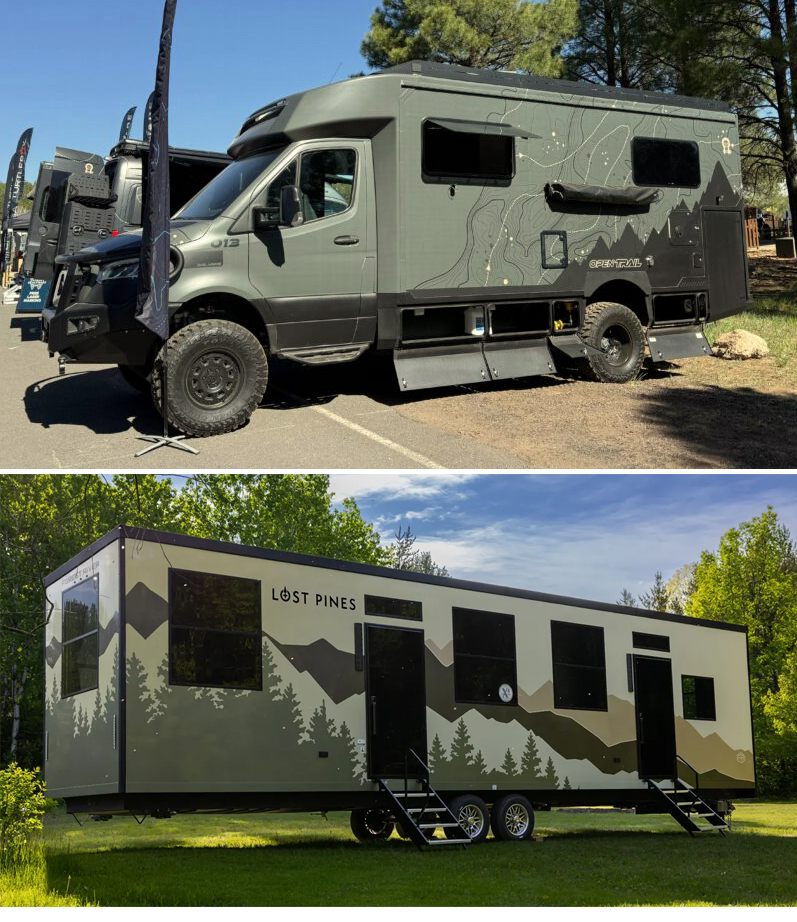
Care for Decals and Graphics
Many RVs include vinyl graphics that require gentler care than the paint around them.
- Avoid high-abrasive waxes on decals
- Use cleaners labeled safe for vinyl
- Always apply UV-protectant spray designed for graphics
- Watch for edges lifting—this can indicate adhesive failure
Taking care of decals keeps your RV looking unified and prevents costly replacements.
When to Call the Experts
If you notice peeling clear coat, significant oxidation, cracked decals, or water staining that doesn’t wash off, it’s time to seek professional help.
Poulsbo RV’s service team can assist with:
- Oxidation correction and polishing
- Sealant inspection and resealing
- Decal replacement
- Roof cleaning and protection
- Exterior detailing packages
- Paint protection recommendations
Our parts departments also carry soaps, waxes, brushes, sealants, and UV-protective products for all RV exterior types.
Final Thoughts
Taking care of your RV’s paint isn’t just about looks—it’s about preserving your investment and protecting your home on wheels. With a regular washing routine, consistent waxing, and seasonal care, your RV will stay vibrant, protected, and ready for every adventure.
Stop by your nearest Poulsbo RV location for exterior care products, expert advice, or professional detailing services. We’re here to help keep your RV looking its best, mile after mile.


