

One of the most common questions motorhome owners ask is, “How much can I tow?” Whether you’re planning to bring a small car, a boat, or a trailer with extra gear, understanding your motorhome’s towing capacity is essential for safety, performance, and protecting your investment.
At Poulsbo RV, we regularly help RVers match their towing needs with the right equipment and setup. Here’s what you need to know before hooking anything up behind your motorhome.
Why Towing Capacity Matters
Towing more than your motorhome is rated for can lead to serious problems. Excess weight puts strain on your engine, transmission, brakes, suspension, and frame. It can also reduce stability, increase stopping distance, and affect steering control—especially in mountain terrain or crosswinds.
Proper towing isn’t just about power. It’s about balance, braking performance, and staying within engineered limits designed to keep you and everyone else on the road safe.
Key Weight Ratings You Need to Know
Understanding towing capacity starts with knowing a few important terms found on your motorhome’s weight sticker or in the owner’s manual.
GVWR (Gross Vehicle Weight Rating)
This is the maximum allowable weight of your fully loaded motorhome, including passengers, fuel, water, cargo, and accessories.
GCWR (Gross Combined Weight Rating)
This is the maximum total weight of your motorhome plus anything you are towing.
Hitch Rating
This is the maximum weight your motorhome’s hitch is designed to handle. Even if your engine can tow more, you are limited by the hitch rating.
Actual Loaded Weight
Your motorhome’s real-world weight when fully packed for travel matters. Many RVers are surprised to learn how quickly gear, water, and passengers add up.
How to Calculate Your Safe Towing Capacity
The general rule is simple:
GCWR minus your fully loaded motorhome weight equals your maximum safe towing weight.
For example, if your GCWR is 26,000 pounds and your motorhome weighs 21,000 pounds fully loaded, your maximum towing capacity would be 5,000 pounds—assuming your hitch is also rated for 5,000 pounds.
It’s always best to confirm your actual loaded weight at a certified scale before finalizing towing plans.
Common Motorhome Towing Capacities
Towing capacity varies by motorhome type and chassis.
Class A Gas Motorhomes
Typically rated to tow 5,000 pounds, though some may allow more depending on chassis and hitch.
Class A Diesel Pushers
Often rated between 10,000 and 20,000 pounds, depending on size and configuration.
Class C Motorhomes
Commonly rated around 5,000 to 8,000 pounds.
Super C Motorhomes
Often offer higher towing capacities due to heavy-duty truck chassis.
Always verify the specific ratings for your exact year, make, and model.
Flat Towing vs. Trailer Towing
Flat Towing (Four Wheels Down)
Many RVers tow a vehicle behind their motorhome using a tow bar. The vehicle must be approved by its manufacturer for flat towing.
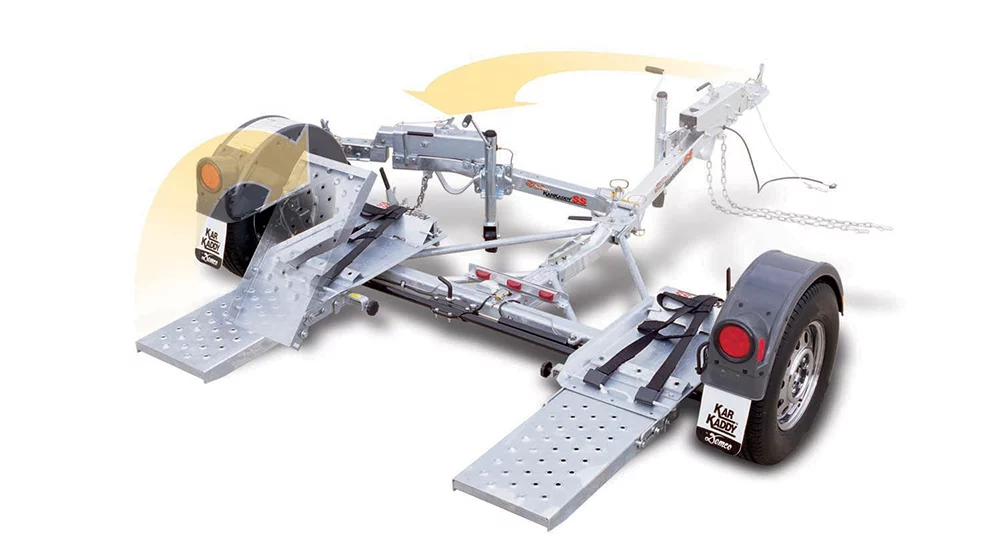
Tow Dolly
This lifts the front wheels of the vehicle off the ground. It adds weight and must be factored into your total towing calculation.
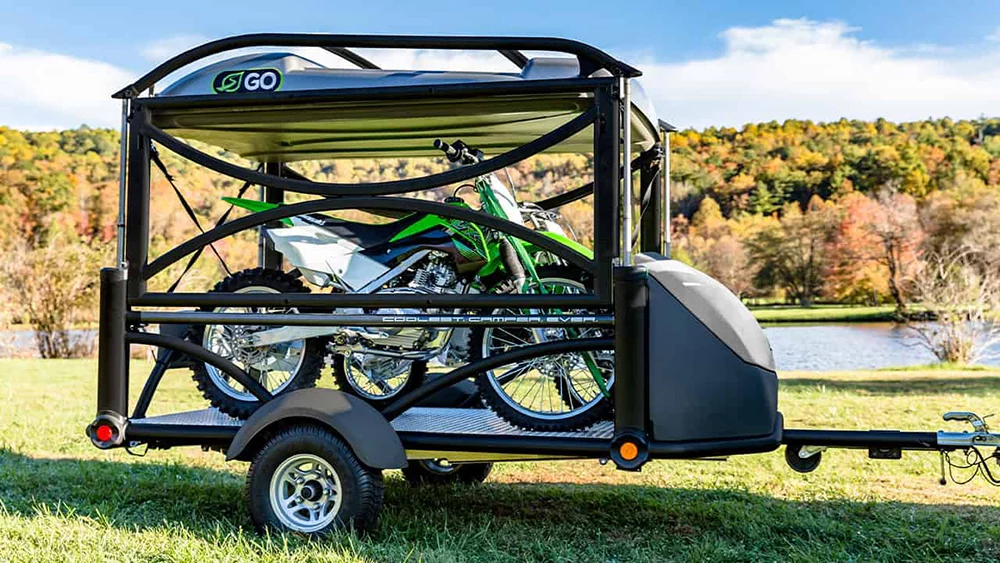
Enclosed or Open Trailer
If you’re towing a trailer with equipment or a vehicle inside, remember to account for the trailer’s empty weight plus cargo.
Each setup has its own weight, braking requirements, and equipment considerations.
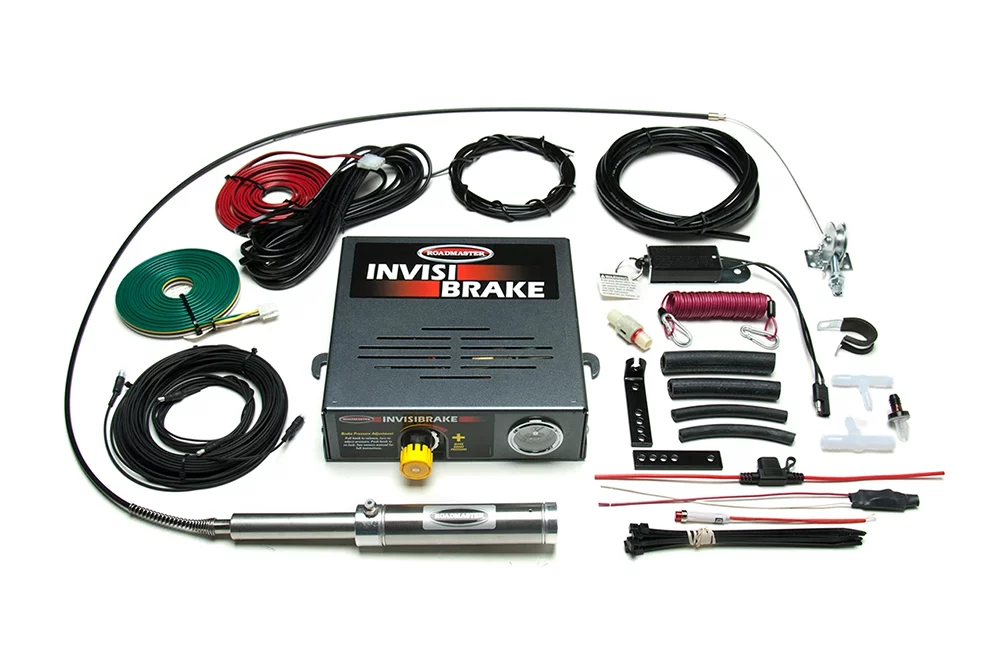
Don’t Forget Supplemental Braking
In most states, vehicles or trailers over a certain weight require a supplemental braking system. Even when not legally required, supplemental brakes significantly improve stopping performance and reduce wear on your motorhome’s braking system.
Bringing a heavier vehicle without proper braking support increases risk and strain.
Other Important Factors to Consider
Cargo Weight Inside Your RV
Water tanks, passengers, and gear all reduce available towing capacity.
Tongue Weight
If using a trailer, tongue weight affects rear axle load. Improper distribution can impact steering and stability.
Elevation and Terrain
Mountain driving increases stress on drivetrain components. Staying within limits is even more important in these conditions.
Wind and Handling
Heavier towed loads can amplify sway or handling issues, especially in crosswinds.
When to Talk to the Experts
If you’re unsure about your towing capacity or planning a new towing setup, it’s worth getting professional guidance. At Poulsbo RV, our team can help you:
- Confirm your weight ratings
- Evaluate hitch capacity
- Install tow bars or base plates
- Set up supplemental braking systems
- Inspect your chassis and suspension
We can also help you determine whether your current motorhome matches your long-term towing plans.
Final Thoughts
Knowing how much your motorhome can tow is more than just a number—it’s about safety, performance, and protecting your investment. Staying within your manufacturer’s ratings ensures smoother handling, better braking, and fewer long-term mechanical issues.
Before your next trip, take the time to understand your numbers. If you’d like help reviewing your towing setup or upgrading your equipment, stop by any Poulsbo RV location. We’re here to help you tow confidently and travel safely every mile of the journey.


