

Fire is something no RVer ever expects—but it’s something every RVer should be prepared for. RVs combine fuel systems, electrical components, appliances, and compact living spaces, which means a small issue can escalate quickly if it goes unnoticed.
At Poulsbo RV, our goal is to help you travel with confidence. Understanding where fire risks come from and how to prevent them can protect your RV, your belongings, and most importantly, the people inside.
Why Fire Prevention Matters in an RV
RV manufacturers design coaches to meet strict safety standards, including emergency exits and fire-resistant materials. Still, once a fire starts, conditions can change rapidly. Because RV interiors are compact and contain multiple ignition sources, a fire can spread much faster than in a typical home.
Fire prevention is not about fear—it’s about preparation. With the right habits, inspections, and safety equipment, most RV fires are preventable.
Common Causes of RV Fires
Knowing where fire risks begin helps you stop problems before they start.
Electrical Issues
Faulty wiring, overloaded outlets, damaged power cords, or improperly installed aftermarket electronics are some of the most common causes of RV fires. Loose connections can overheat, and power surges can damage components without obvious warning signs.
Cooking and Appliances
Stovetops, ovens, and microwaves generate heat in tight spaces. Grease buildup, unattended cooking, or flammable items stored too close to burners can quickly become dangerous.
Heating Systems
Furnaces, space heaters, and hydronic heating systems require proper ventilation and regular inspection. Using non-RV-rated space heaters or blocking vents increases fire risk.
Engine and Generator Compartments
Motorhomes include engine bays and generator compartments that operate at high temperatures. Leaking fluids, debris buildup, or worn components can ignite under the right conditions.
Battery Systems
Both lead-acid and lithium battery banks carry fire risk if damaged, improperly charged, or poorly ventilated. Electrical failures or extreme heat can cause dangerous situations.
Simple Fire Prevention Habits That Make a Big Difference
Fire prevention starts with everyday awareness.
• Never overload electrical outlets or power strips
• Avoid household extension cords for RV use
• Keep flammable items away from cooking and heating appliances
• Turn off appliances before leaving your RV or going to sleep
• Keep vents and exhaust ports clear of debris
• Store fuels, cleaners, and aerosols in proper compartments
Routine habits like these significantly reduce risk over time.
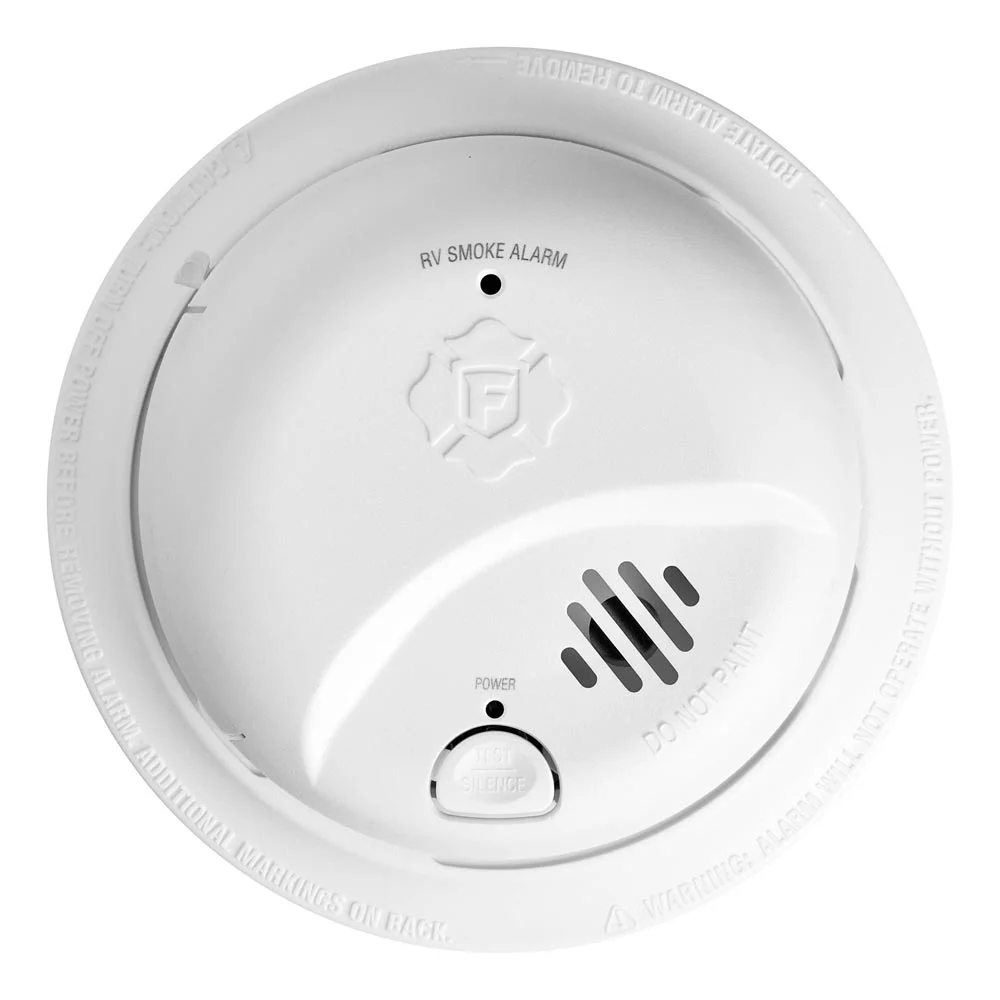
RV Smoke Alarms and Carbon Monoxide Detectors
In many RVs, smoke detection and carbon monoxide detection are combined into a single RV-rated device. These combination alarms are designed specifically for the unique conditions inside an RV.
Unlike residential alarms, RV smoke and CO alarms are built to handle:
• Vibration and movement while traveling
• Temperature swings and humidity changes
• Propane appliances and compact living spaces
Combination RV alarms monitor for both smoke and carbon monoxide, providing early warning for fires as well as dangerous exhaust gases from furnaces, generators, or engines.
It’s important to use RV-rated combination alarms, not household models. Residential detectors can false alarm frequently in an RV—or fail prematurely—because they aren’t designed for mobile environments.
Test your alarms regularly, replace batteries as recommended, and follow the manufacturer’s replacement timeline. In an RV, early warning can make all the difference, especially while sleeping.
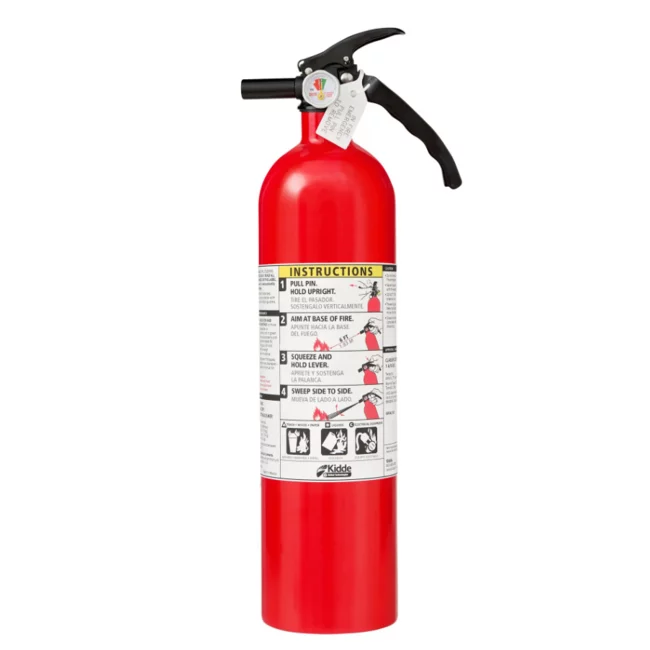
Fire Extinguishers: What to Know
Most RVs come with a basic fire extinguisher, but many are undersized for real-world emergencies. While extinguishers can help with small, contained fires, their primary purpose is to create a safe escape—not to fight a major blaze.
Key tips for extinguishers:
• Know where your extinguisher is located
• Make sure it’s rated for RV use
• Check pressure gauges regularly
• Never put yourself at risk trying to fight a fire If a fire grows beyond a small, controllable size, evacuation should always be the priority
Inspecting High-Risk Areas
Regular inspections help catch issues early.
• Check power cords, adapters, and outlets for heat damage
• Inspect appliance vents and exhausts
• Look for corrosion or loose wiring in battery compartments
• Keep engine and generator areas clean and free of debris
• Watch for warning signs like burning smells, flickering lights, or tripped breakers
If something doesn’t look or smell right, don’t ignore it.

Creating an RV Fire Escape Plan
Preparation matters most when seconds count.
• Know all exits and emergency windows
• Keep pathways clear
• Practice opening emergency exits
• Have a designated meeting spot outside
• Keep a flashlight accessible at night
Everyone traveling with you should know the plan.
When to Schedule Professional Service
If you notice electrical issues, appliance malfunctions, repeated breaker trips, battery problems, or unusual heat buildup, it’s time to have your RV inspected.
Poulsbo RV’s service team can help with:
• Electrical system inspections
• Appliance diagnostics
• Battery and charging system evaluations
• Generator and engine compartment checks
• Safety equipment installation and replacement
Our Parts Departments also carry smoke detectors, fire extinguishers, surge protectors, and other safety essentials.
Final Thoughts
Fire prevention in an RV isn’t about expecting the worst—it’s about being prepared for the unexpected. With smart habits, routine inspections, and proper safety equipment, you can significantly reduce risk and travel with peace of mind.
If you have questions about RV fire safety, need service support, or want to upgrade your safety equipment, stop by any Poulsbo RV location. We’re here to help keep every journey safe, comfortable, and worry-free.


