
Your tires are the foundation of every safe and successful RV trip. They carry your home-on-wheels through highways, mountain passes, and long stretches of open road. Yet, they’re also one of the most overlooked parts of RV maintenance.
Proper tire care isn’t just about performance—it’s about safety. Underinflated or damaged tires can lead to blowouts, reduced handling, and costly repairs. The good news? With a few simple habits and checks, you can extend your tire life and stay safe wherever you travel.
At Poulsbo RV, we’ve put together this guide to help you keep your tires in top condition and understand what to look for before every adventure.
Why Regular Tire Checks Matter
RV tires face more stress than standard vehicle tires. They support heavier loads, travel longer distances, and often sit unused for weeks or months. Temperature swings, UV exposure, and improper inflation can all take their toll.
Inspecting your tires regularly can help you:
- Prevent dangerous blowouts on the road
- Improve fuel efficiency and handling
- Extend tire life and save money
- Ensure a smoother, more comfortable ride
How to Safely Check Tire Pressure
Before you start,Tire pressure plays a major role in your RV’s safety and performance. Too little air leads to heat buildup and sidewall stress, while too much air reduces traction and causes uneven wear.
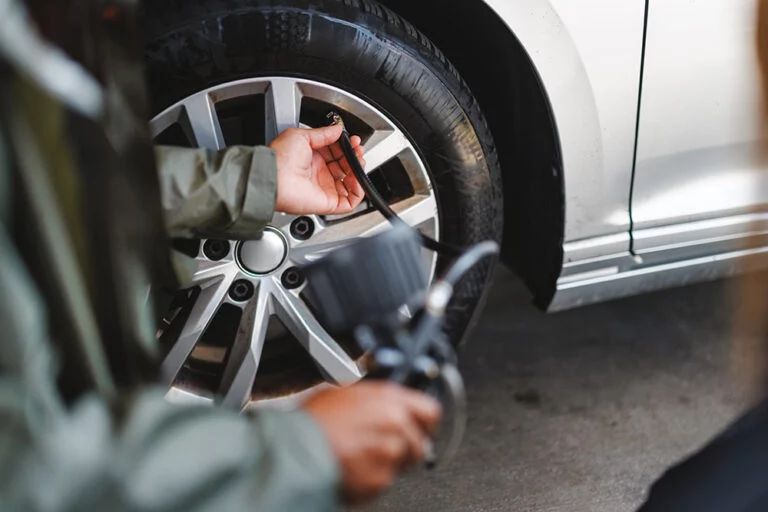
Here’s how to check your tire pressure the right way:
- Start with cold tires. Always check tire pressure when your tires are cold—before you start driving. Heat from driving or the sun can raise internal air pressure, giving you a false reading.
- Use a quality tire pressure gauge. Digital or dial-style gauges are more reliable than the basic pencil-style ones.
- Find your recommended PSI. Check your RV’s certification label (usually near the driver’s seat or door) or your owner’s manual for the correct pressure for both front and rear tires.
- Adjust as needed. Use an air compressor to add air if needed—but do so gradually. In hot weather, remember that air expands as temperatures rise. A tire filled to max PSI in the morning sun can overinflate and risk bursting once it heats up.
- Monitor temperature changes. For every 10°F temperature change, your tire pressure can shift by about 1 PSI. That means cooler mornings or high-altitude trips can significantly affect your readings.
Tip: Poulsbo RV offers tire pressure gauges, inflators, and portable air compressors designed for RV use—ask our parts team for recommendations.
Inspecting for Tire Damage
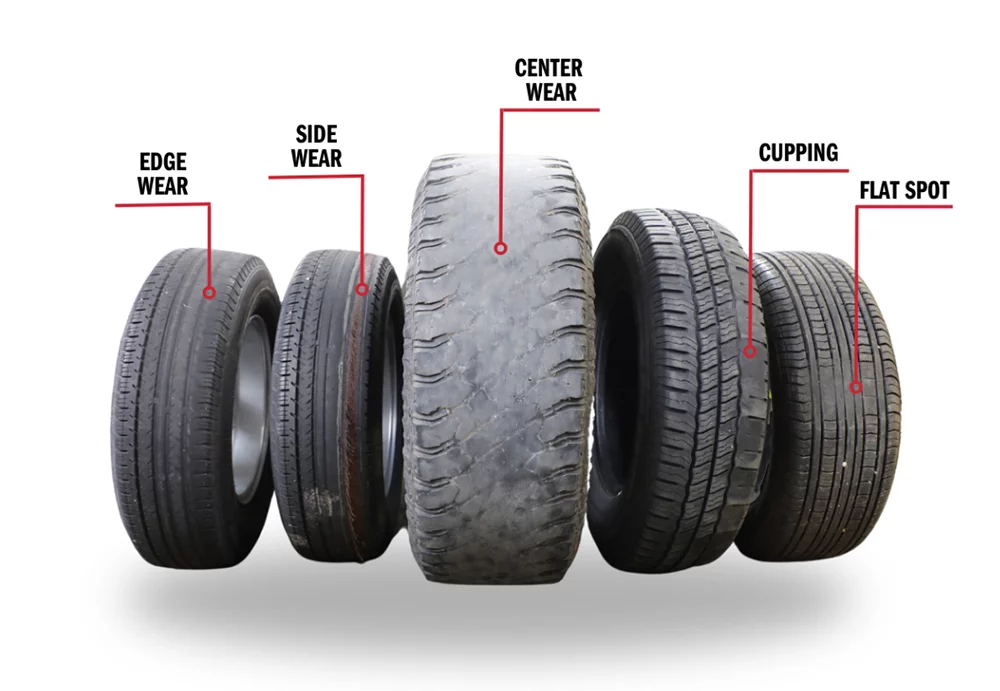
Before every trip—and at least once a month during storage—inspect each tire for:
- Cracks or dry rot along the sidewalls
- Uneven tread wear, which could indicate misalignment or improper inflation
- Cuts, bulges, or embedded objects like nails or glass
- Discoloration or signs of weather damage from prolonged sun exposure
Use a tire tread gauge to ensure your tires have enough grip. A good rule of thumb is at least 4/32″ of tread depth for safe traction.
If you notice bulging, cracking, or cords showing, it’s time for replacement—no exceptions.
When to Replace Your Tires
Even if your tires look fine, they have a lifespan. Most RV tires should be replaced every 5–7 years, depending on use and storage conditions. Rubber naturally degrades over time, and unseen internal damage can lead to failure on the road.
Check the DOT date code on your tire’s sidewall—it’s a four-digit number showing the week and year the tire was manufactured (for example, “2319” means week 23 of 2019).
Pro Tips from Poulsbo RV
• Use a small level in your fridge – A quick check ensures your food stays safe and your fridge performs at its best.
• Avoid leveling on soft ground – Use wood or plastic pads under jacks and blocks to prevent sinking.
• Recheck after slide-outs are deployed – Weight distribution can change slightly once slides are extended.
• Inspect your jacks and leveling system annually – Our Poulsbo RV service team can perform inspections, lubrication, or adjustments to keep everything working smoothly.
Final Thoughts
Your tires are your RV’s first line of defense on the road. With regular checks, proper inflation, and quick attention to any signs of wear or damage, you’ll enjoy safer, smoother travels year after year.
Stop by Poulsbo RV’s parts or service department for tire pressure tools, new tires, or a professional tire inspection before your next trip. Let’s keep your adventures rolling safely.


