
Driving an RV for the first time can feel intimidating. Whether you’re behind the wheel of a motorhome or towing a travel trailer for the first time, there’s no question that RVs handle differently than everyday vehicles. The good news is that confidence comes with preparation, practice, and learning how your RV responds on the road.
At Poulsbo RV, we know many first-time RV owners feel nervous before their first trip. That’s completely normal. With the right approach, RV driving quickly becomes more comfortable and enjoyable.
Here are some important RV driving tips to help beginners feel more confident and prepared before hitting the road.
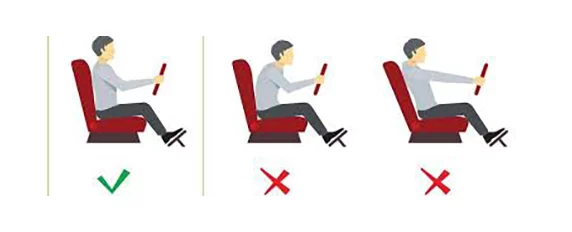
1. Take Time to Properly Adjust Your Driving Position
TBefore driving, make sure your seat, steering wheel, and mirrors are adjusted correctly. You should be able to comfortably reach the pedals and steering wheel without stretching or leaning.
Your mirrors are especially important in an RV. Proper mirror positioning helps you:
- monitor surrounding traffic
- track your trailer or rear corners
- reduce blind spots
- improve lane positioning
A comfortable driving position helps reduce fatigue and improves overall awareness behind the wheel.
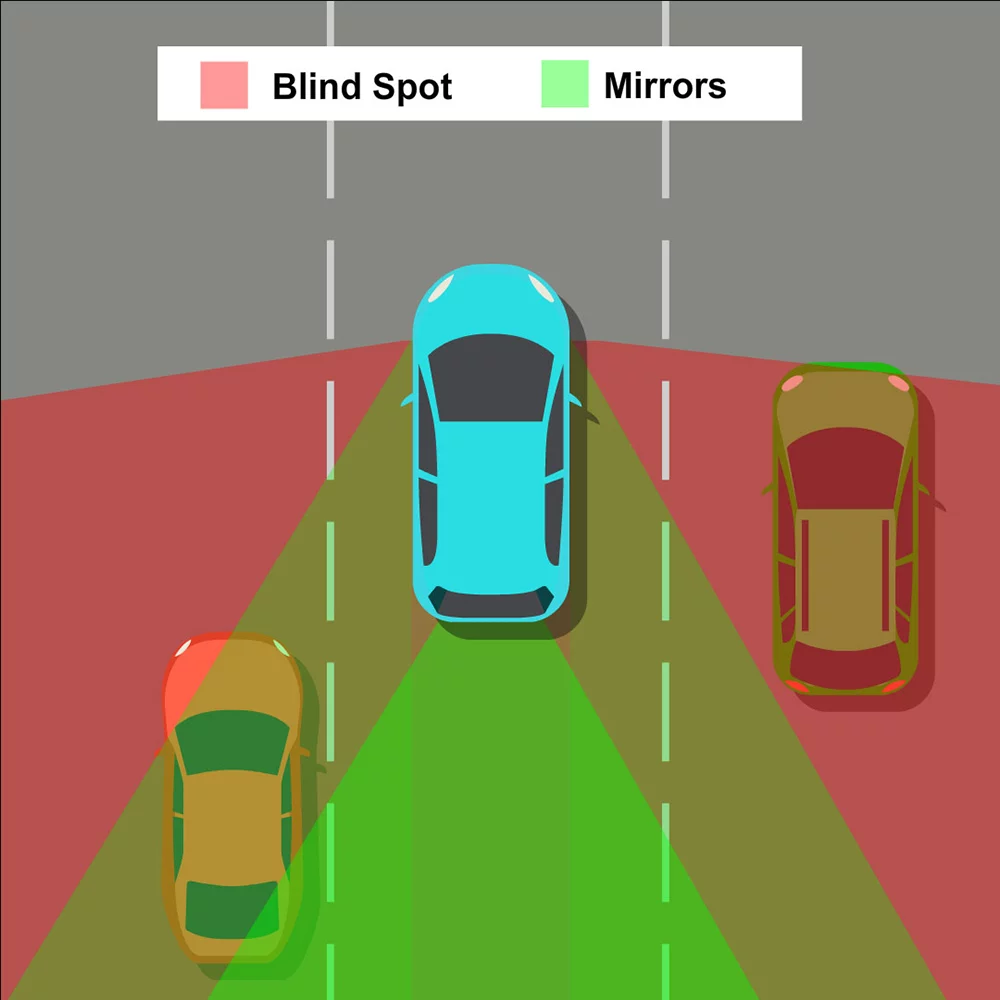
2. Learn the Size and Blind Spots of Your RV
One of the biggest adjustments for new RV drivers is understanding the size of the vehicle.
Spend time getting familiar with:
- vehicle height
- width
- turning radius
- rear overhang
- blind spots
Many RVers practice by walking around the RV and using markers or cones in an empty parking lot to better understand spacing and visibility.
Knowing where your RV’s corners and blind spots are can greatly improve confidence when:
- parking
- backing up
- changing lanes
- navigating fuel stations
- turning through intersections
3. Practice in a Large, Open Area
The best toll pass setup depBefore heading onto busy roads, spend time practicing in a safe, open environment like:
- empty parking lots
- fairgrounds
- industrial areas during off-hours
Start by practicing:
- accelerating
- braking
- wide turns
- backing up
- parking
- mirror usage
The fewer obstacles and distractions around you, the easier it is to focus on learning how your RV handles.
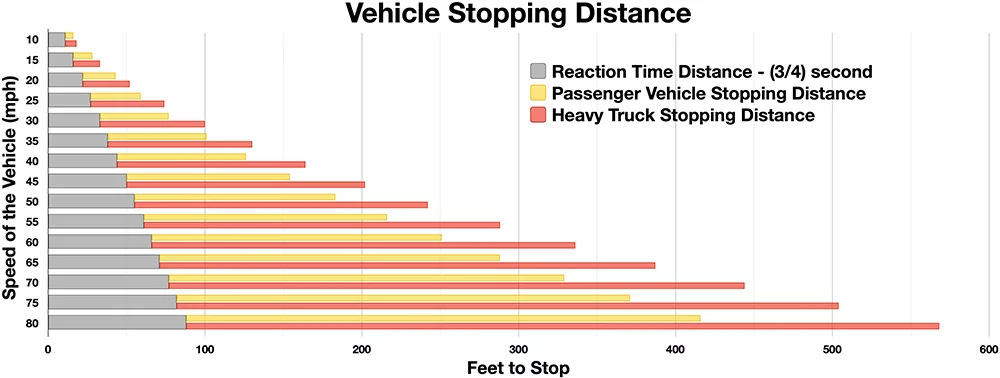
4. Give Yourself Extra Time to Stop
RVs require significantly more stopping distance than passenger vehicles. Weight, road conditions, weather, and towing setups all affect braking performance.
Beginner RV drivers should:
- leave extra following distance
- brake earlier than usual
- avoid sudden stops whenever possible
Smooth, gradual braking helps improve safety and creates a more comfortable ride for passengers.
5. Take Turns Wider Than You Think
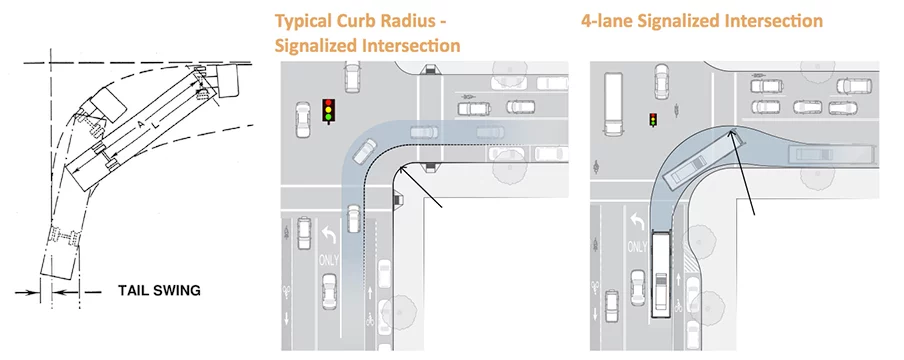
One of the most common beginner mistakes is turning too tightly.
Because RVs and trailers track differently than cars, rear wheels often cut tighter corners than the front wheels. Wider turns help avoid:
- curbs
- signs
- fuel station barriers
- other vehicles
When towing a trailer or fifth wheel, it’s especially important to watch how the trailer tracks through turns.
6. Watch Your RV Height Carefully
RV height is something new drivers must constantly keep in mind.
Low clearances can include:
- gas station canopies
- bridges
- tree branches
- parking garages
- older campgrounds
Know your exact RV height and keep it written somewhere easy to reference inside the cab.
Many experienced RVers place a small reminder sticker near the dashboard as a quick reference while driving.
7. Back Up Slowly and Use a Spotter
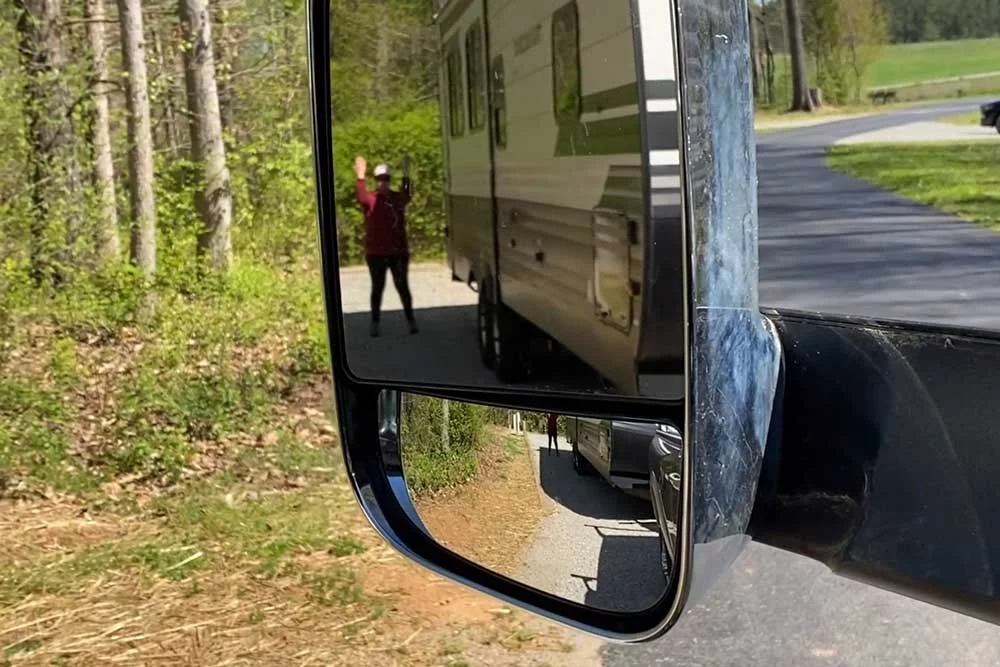
Backing an RV or trailer takes practice. Whenever possible:
- back up slowly
- avoid rushing
- use a spotter outside the vehicle
Clear communication between the driver and spotter is extremely important. Hand signals or radios can help avoid confusion while maneuvering into campsites or parking spaces.
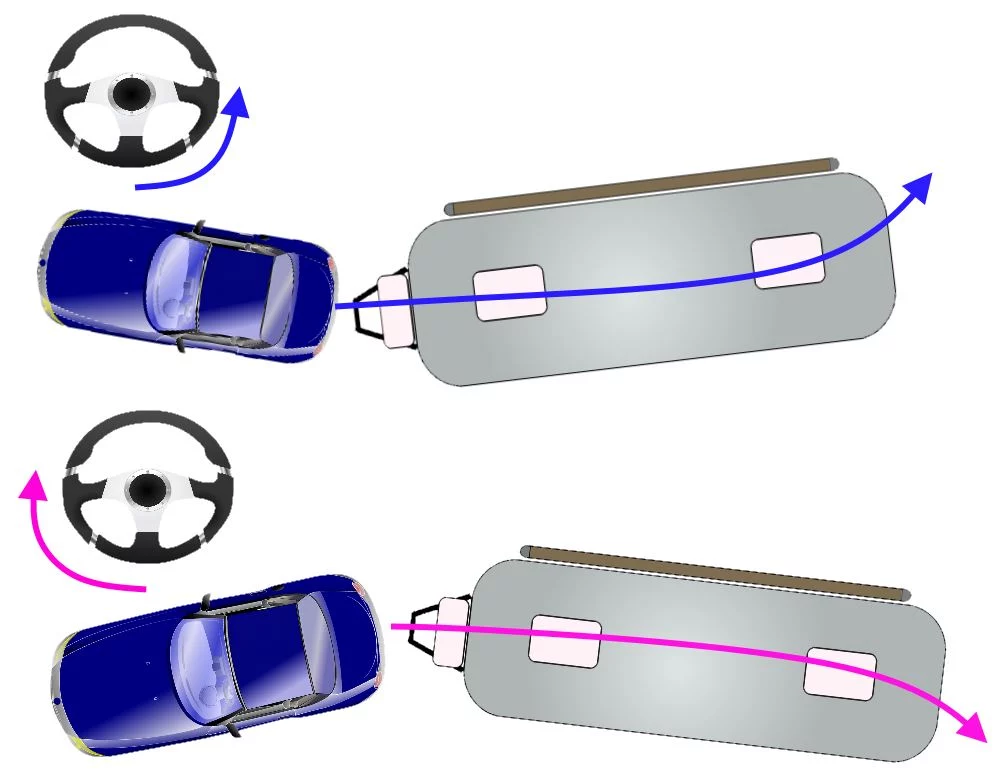
If you’re towing a trailer, remember that small steering inputs make a big difference while backing up.
8. Plan Fuel Stops Ahead of Time
Not every gas station is RV-friendly. Tight entrances, low canopies, and limited maneuvering space can create stressful situations for larger rigs.
Before long drives, it helps to identify:
- larger truck-friendly fuel stations
- easy pull-through layouts
- RV-accessible parking areas
Planning ahead can make travel days much smoother.
9. Drive Slower and Stay Relaxed
RV travel is different from commuting in a car. Speeds are often slower, stopping distances are longer, and driving requires more awareness.
Trying to rush usually increases stress and fatigue.
Driving at a comfortable pace helps improve:
- reaction time
- fuel efficiency
- handling
- overall safety
The goal of RV travel is enjoying the journey, not racing to the destination.
10. Confidence Comes with Practice
Even experienced RVers were beginners once. The most important thing new RV drivers can do is give themselves time to learn gradually.
Start with:
- shorter trips
- easier routes
- familiar roads
- smaller campgrounds
As confidence grows, larger trips and more challenging routes become much more manageable.
Every mile behind the wheel helps build experience and comfort.
Final Thoughts
Learning to drive an RV takes patience, practice, and preparation, but it quickly becomes one of the most rewarding parts of the RV lifestyle. By starting slowly, practicing regularly, and understanding how your RV handles, you can build confidence and enjoy the freedom that comes with traveling on the open road.
At Poulsbo RV, we’re always here to help new RV owners feel more prepared for their adventures. Whether you’re shopping for your first RV or getting ready for your next trip, our team is happy to help you travel with confidence every mile of the journey.


