

One of the biggest parts of cross-country RV travel is flexibility. One week you’re driving through mountain passes, the next you’re navigating busy interstates near major cities. Along the way, there’s a good chance you’ll encounter toll roads, bridges, tunnels, and express lanes in multiple states.
For many RVers, toll systems can feel confusing at first—especially when traveling across different regions with different payment methods and road systems. But with a little planning, toll passes can actually make long-distance RV travel smoother, faster, and sometimes even less expensive.
At Poulsbo RV, we know RVers are always looking for ways to make travel easier and less stressful. Understanding how toll passes work can help simplify your next cross-country adventure.
Why Toll Passes Matter for RV Travel
Toll roads are often designed to keep traffic moving efficiently around major cities and heavily traveled corridors. For RV travelers, this can mean:
- Less stop-and-go traffic
- More direct routes
- Smoother highway driving
- Reduced stress in congested areas
- Less time searching for cash toll booths
Many toll systems also offer discounted rates for drivers using compatible transponders instead of toll-by-plate billing.
For long RV travel days, avoiding delays and maintaining steady driving conditions can make a noticeable difference in comfort and fuel efficiency.
Understanding Multi-State Toll Passes
Over the years, toll systems across the country have become more connected. Many transponders now work across multiple states, making it easier to travel long distances without constantly switching systems.
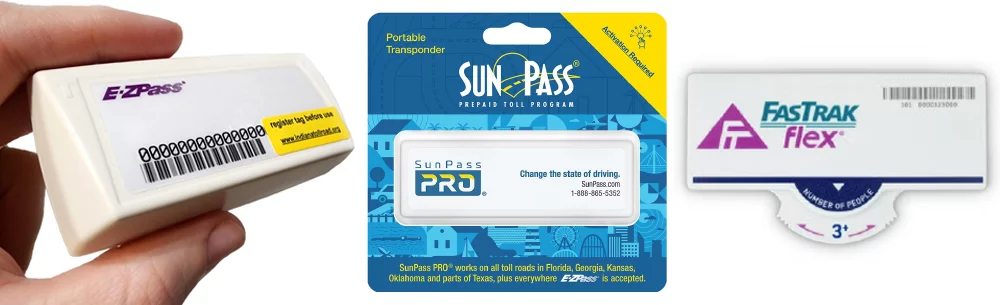
Popular multi-state toll systems include:
E-ZPass
Widely used throughout the Northeast, Midwest, and parts of the Southeast, E-ZPass covers many of the country’s busiest toll roads and bridges.
SunPass Pro
Originally designed for Florida travel, SunPass Pro now works across a large number of states and toll systems throughout the eastern United States.
FasTrak
Used primarily in California for toll roads, bridges, and express lanes.
Regional Systems
Some states still use their own systems or have separate toll authorities, so it’s always worth checking your planned route before traveling.
Because toll networks continue to expand and change, what worked a few years ago may look different today.
Choosing the Right Toll Setup for Your RV Travel Style
The best toll pass setup depends on how and where you travel.
Frequent East Coast Travelers
A multi-state system like E-ZPass or SunPass Pro may cover most routes you regularly use.
Regional RV Travelers
If you stay mostly within one region, a local or state-based toll pass may be all you need.
Cross-Country Travelers
Long-distance RVers may benefit from:
- one primary toll pass
- plus a supplemental system for certain regions
The goal is to simplify travel while avoiding unnecessary fees or duplicate accounts.
Why Toll Passes Can Save Money
Most toll transponders are inexpensive to start using, and many do not require monthly fees.
In many cases, using a toll pass costs less than:
- toll-by-plate billing
- mailed invoices
- pay-by-mail systems
Some toll-by-plate systems also add administrative fees, which can become expensive during long trips involving multiple toll roads.
For RV travelers crossing multiple states, the convenience alone can often make the setup worthwhile.
Important RV Considerations When Using Toll Roads
Vehicle Size & Axles Matter
Many toll systems calculate charges based on:
- vehicle class
- height
- axle count
- whether you are towing
This becomes especially important for:
- fifth wheels
- travel trailers
- toy haulers
- motorhomes towing vehicles
Checking your toll account setup ahead of time can help prevent incorrect charges.
Not Every Lane Works for RVs
Some express lanes restrict:
- trailers
- larger vehicles
- certain axle configurations
It’s important to watch signage carefully and research routes ahead of time.
Portable Transponders Offer More Flexibility
Portable transponders can be easier for RV owners who:
- switch vehicles
- tow different trailers
- rent vehicles during travel
Sticker-based systems are often locked to one vehicle.
Keep Cash as Backup
While many toll roads are fully electronic today, some smaller bridges or roads may still use:
- cash payments
- local-only systems
Having backup payment options available is always a good idea.
Are Toll Roads Worth It for RVers?
Sometimes yes—sometimes no.
Many GPS apps allow you to avoid toll roads entirely, but doing so can increase:
- drive time
- fuel usage
- traffic exposure
- stress during long travel days
For RVers, toll roads can sometimes provide:
- smoother traffic flow
- wider lanes
- better-maintained highways
- easier navigation through urban areas
The best choice often depends on:
- travel schedule
- road conditions
- traffic
- fuel costs
- comfort level driving larger RVs through cities
Helpful Tips Before Your Next RV Trip
Before heading out on a multi-state RV adventure, it helps to review:
- where your toll pass works
- whether your RV setup is properly registered
- which major toll roads are on your route
- whether certain states require separate systems
- how tolls are charged for trailers or towed vehicles
A few minutes of preparation can make long travel days much easier.
Final Thoughts
Cross-country RV travel already involves enough planning without worrying about toll booths, missed invoices, or confusing payment systems. The right toll pass setup can help make your travels smoother, simpler, and more enjoyable while keeping you focused on the adventure ahead.
At Poulsbo RV, we know every road trip is different. Whether you’re traveling regionally or exploring coast to coast, a little preparation can help make every mile more comfortable and stress-free.


