

Your RV’s electrical system powers everything from lights and appliances to climate control and entertainment. Whether you’re plugged into shore power, running a generator, or relying on batteries and solar, protecting that system is essential for safety, reliability, and long-term performance.
At Poulsbo RV, we see electrical damage caused by power surges, improper hookups, and worn components far too often. The good news is that with the right knowledge and protection, most electrical issues are preventable.
Why Electrical System Protection Matters
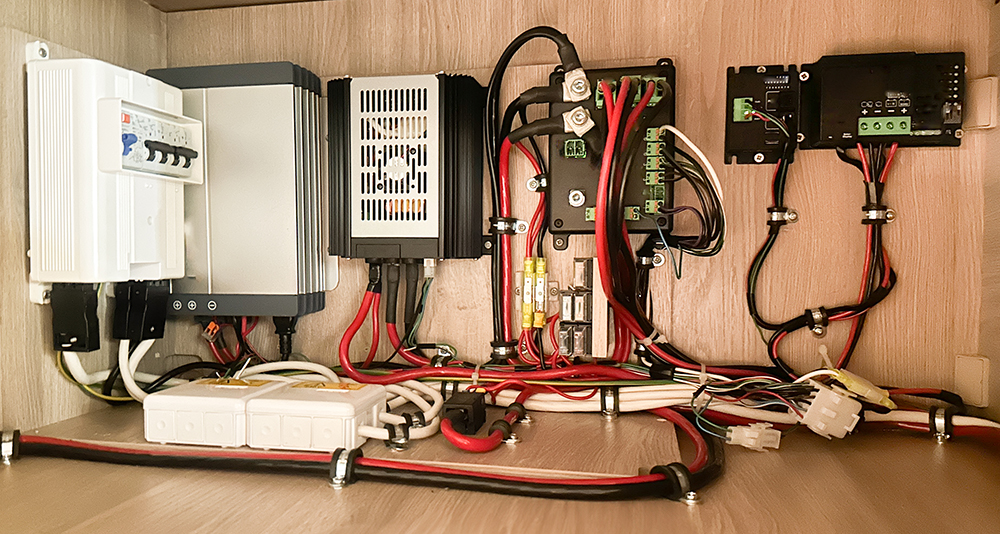
RV electrical systems are more complex and more vulnerable than those in a typical home. Without proper protection, electrical problems can quickly become expensive—or dangerous.
• Appliance Damage: Power surges can damage refrigerators, air conditioners, converters, and electronics.
• Fire Risk: Faulty wiring, overloaded circuits, or poor connections increase the risk of electrical fires.
• Battery Failure: Improper charging or voltage fluctuations can shorten battery life or cause permanent damage.
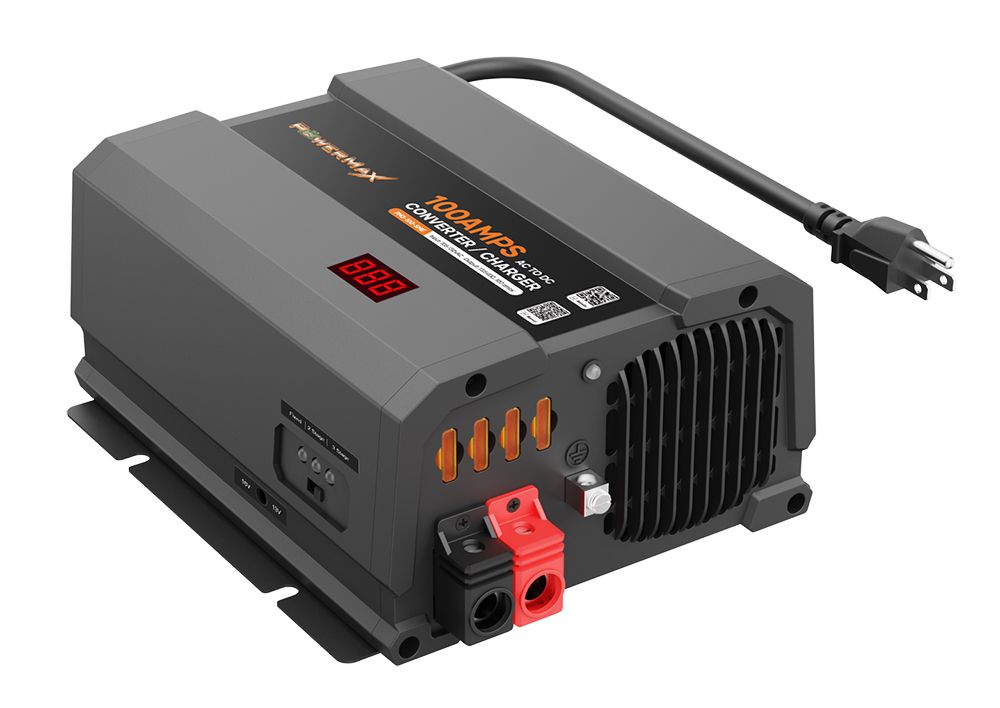
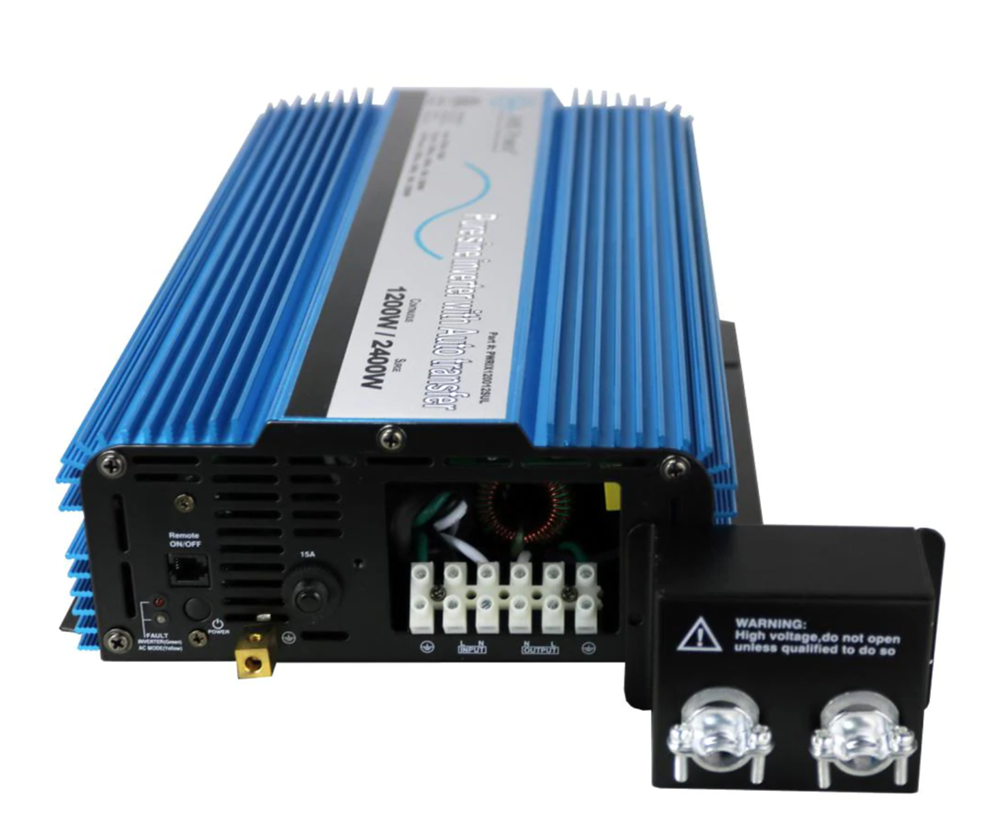
• Converter or Inverter Damage: Voltage spikes or improper power can permanently damage converters and inverters, leading to expensive repairs and loss of power conversion.
Protecting your electrical system helps keep your RV safe, functional, and ready for travel.
Understanding Your RV’s Electrical System
Most RVs operate using a combination of electrical sources:
• Shore Power: 30-amp or 50-amp service at campgrounds or home hookups
• Generator Power: Onboard or portable generators
• Battery Power: 12-volt systems for lights, water pumps, and controls
• Solar Power: Supplemental or primary off-grid power source
Each source introduces different risks, which is why protection at every connection point is important.
Common Electrical Threats to Your RV
Knowing what can harm your electrical system helps you avoid problems before they start.
• Power Surges at Campgrounds: Poor wiring or unstable power can send voltage spikes into your RV.
• Low Voltage Conditions: Undervoltage can overheat motors and damage appliances just as easily as surges.
• Improper Adapters: Using incorrect or low-quality adapters can cause overheating and connection failure.
• Moisture Intrusion: Corrosion and short circuits can occur when outlets, cords, or compartments get wet.
• Overloaded Circuits: Running too many appliances at once can trip breakers or damage wiring.
Essential Electrical Protection Tools
The right equipment can dramatically reduce the risk of electrical damage.
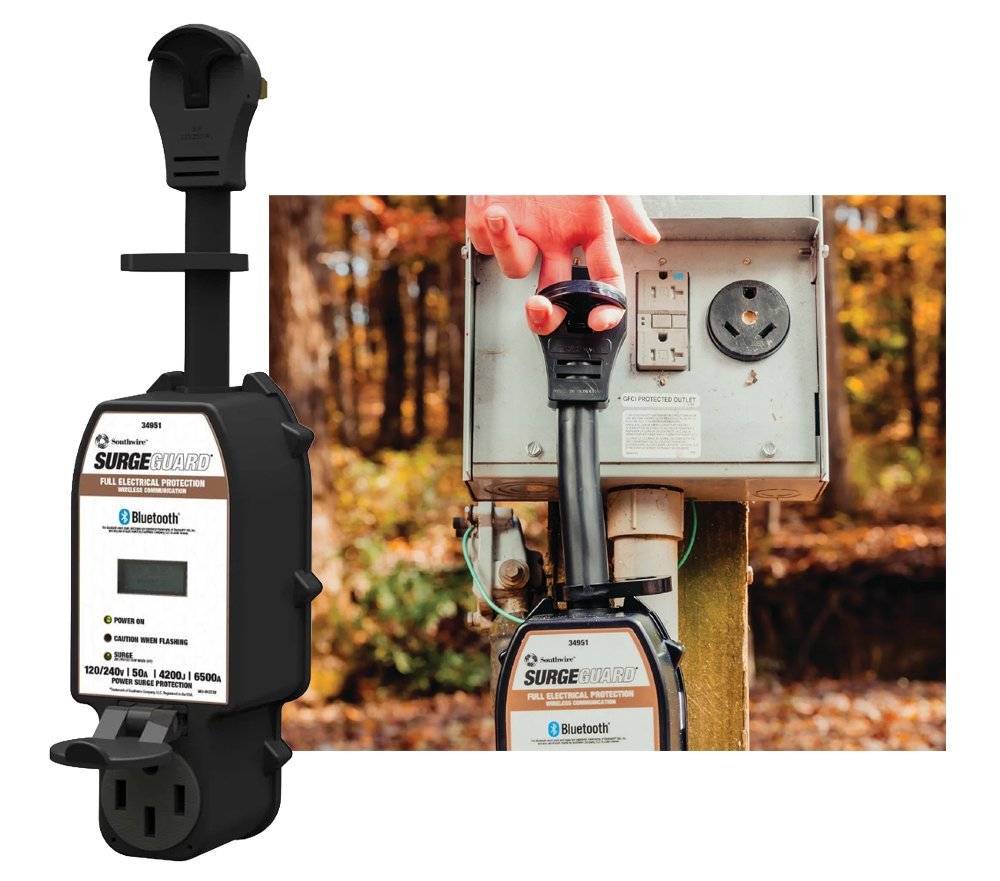
• Surge Protectors / Electrical Management Systems (EMS): These monitor incoming power and shut off electricity if unsafe conditions are detected.
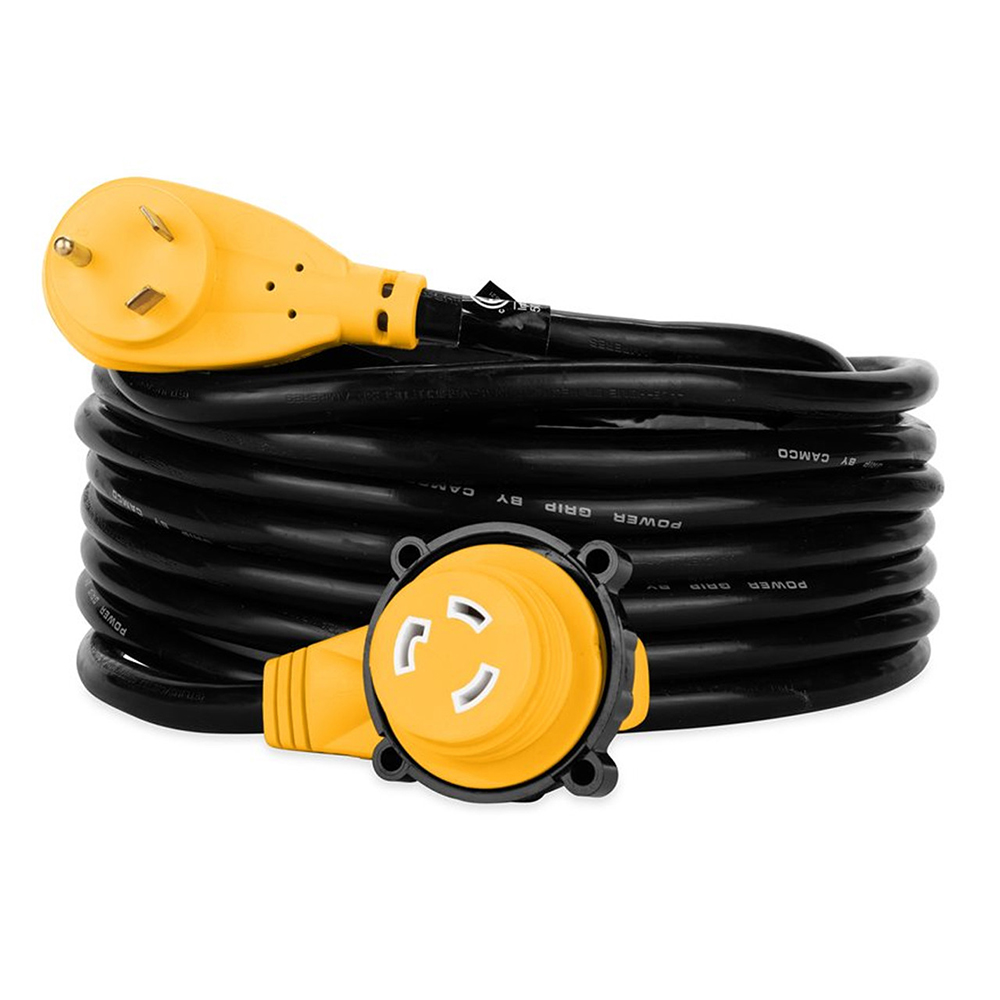
• Quality Power Cords and Adapters: Properly rated cords reduce overheating and connection issues.
• Circuit Breakers and Fuses: Designed to stop current flow before damage occurs—never bypass them.
• Battery Monitors: Help track voltage, charge levels, and system health.
You can find RV-specific electrical protection products at your Poulsbo RV Parts Department.
Safe Electrical Practices for Everyday RV Use
Good habits go a long way in protecting your electrical system.
• Always check campground pedestals for damage before plugging in
• Plug in your surge protector before connecting your RV
• Avoid using household extension cords for RV power
• Manage power usage to avoid overloading circuits
• Disconnect power before servicing or inspecting components
• Keep electrical compartments clean, dry, and sealed
Small precautions can prevent major repairs.
Protecting Your Batteries and Charging Systems
Your batteries are a critical part of your RV’s electrical system and need protection too.
• Use properly sized chargers and converters
• Avoid overcharging or deep discharging batteries
• Inspect battery connections for corrosion
• Secure batteries to prevent movement while traveling
• Use battery disconnect switches during storage
Improper charging is one of the most common causes of premature battery failure.
When to Schedule Electrical Service
If you notice any of the following, it’s time to have your RV inspected:
• Flickering lights or inconsistent power
• Burnt smells near outlets or panels
• Frequently tripped breakers or blown fuses
• Appliances not operating correctly on shore power
• Battery issues or unexplained power loss
Poulsbo RV’s service team can diagnose and repair electrical issues before they become larger problems.
How Poulsbo RV Can Help
Our technicians are trained to work with RV-specific electrical systems and can help with:
• Electrical inspections and diagnostics
• Surge protector and EMS installation
• Battery and converter testing
• Shore power and generator evaluations
• Solar and charging system support
We also carry electrical protection accessories and replacement components in our parts departments.
Final Thoughts
Your RV’s electrical system is the backbone of comfort, convenience, and safety on the road. With proper protection, smart habits, and routine inspections, you can avoid many common issues and travel with confidence.
Need help protecting your RV’s electrical system? Stop by any Poulsbo RV location for expert service, quality parts, and guidance to keep your power flowing safely on every adventure.


